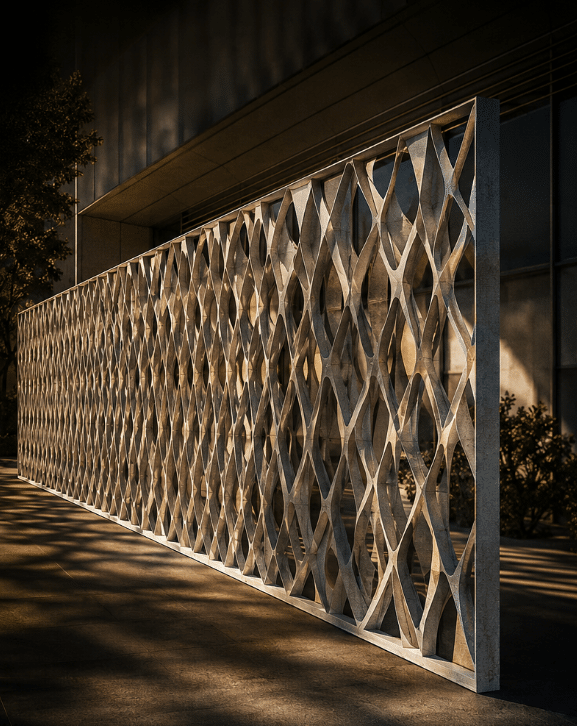
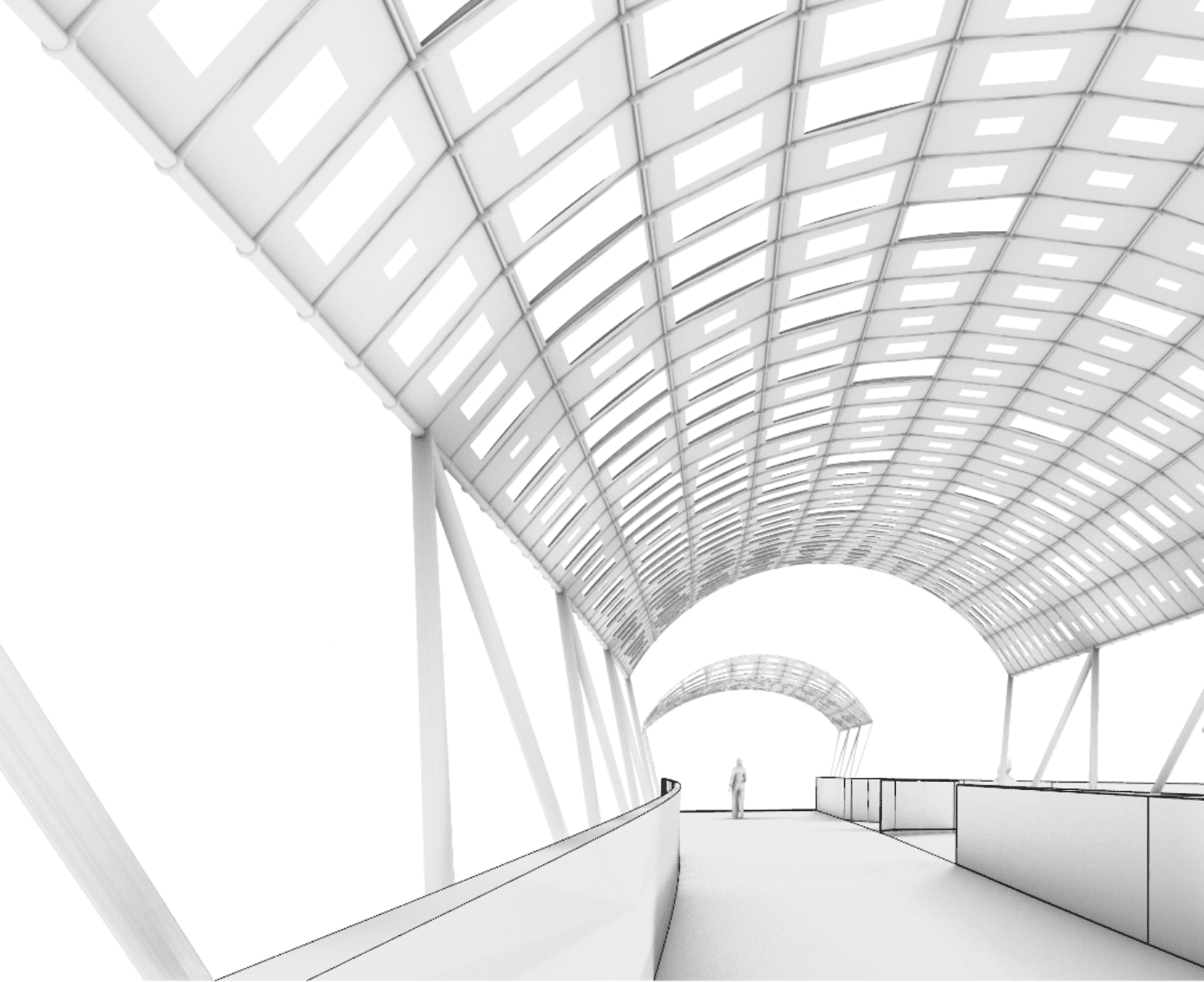
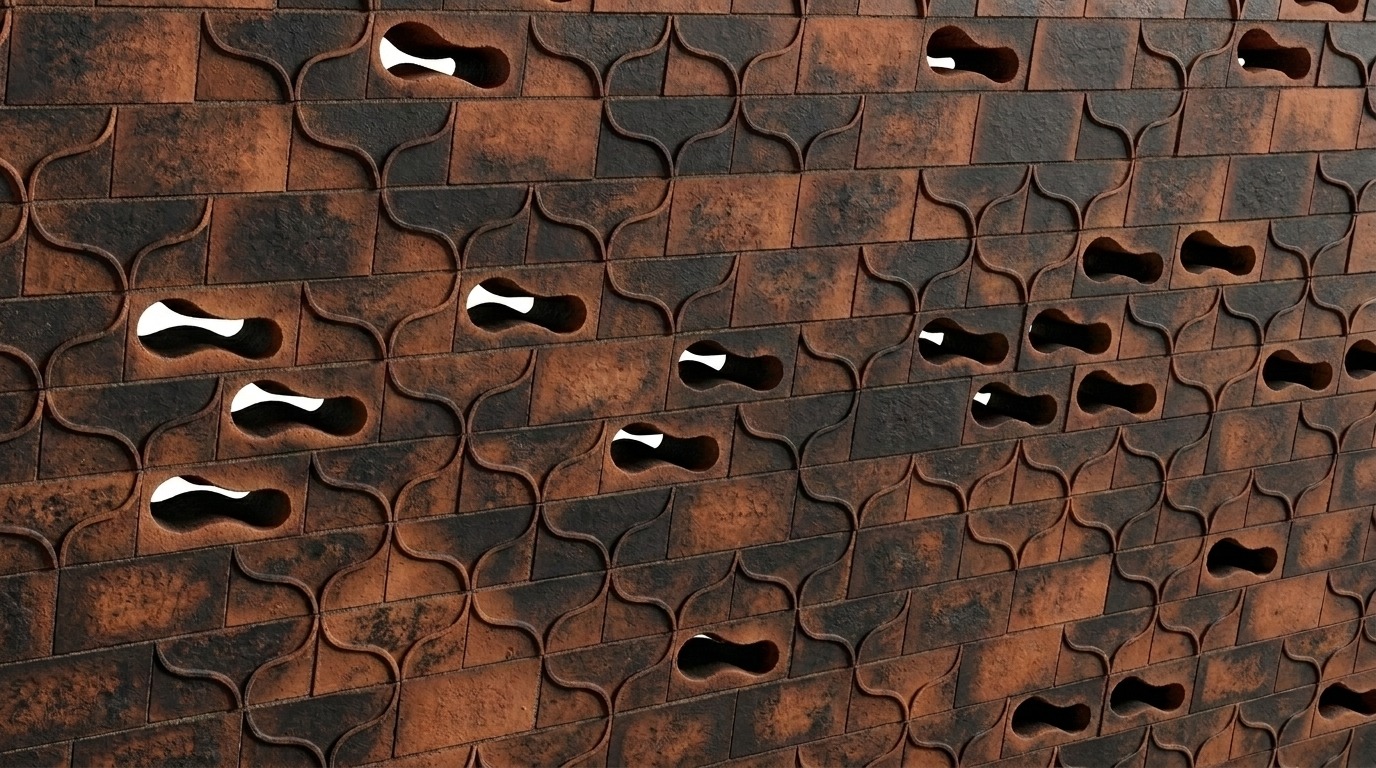
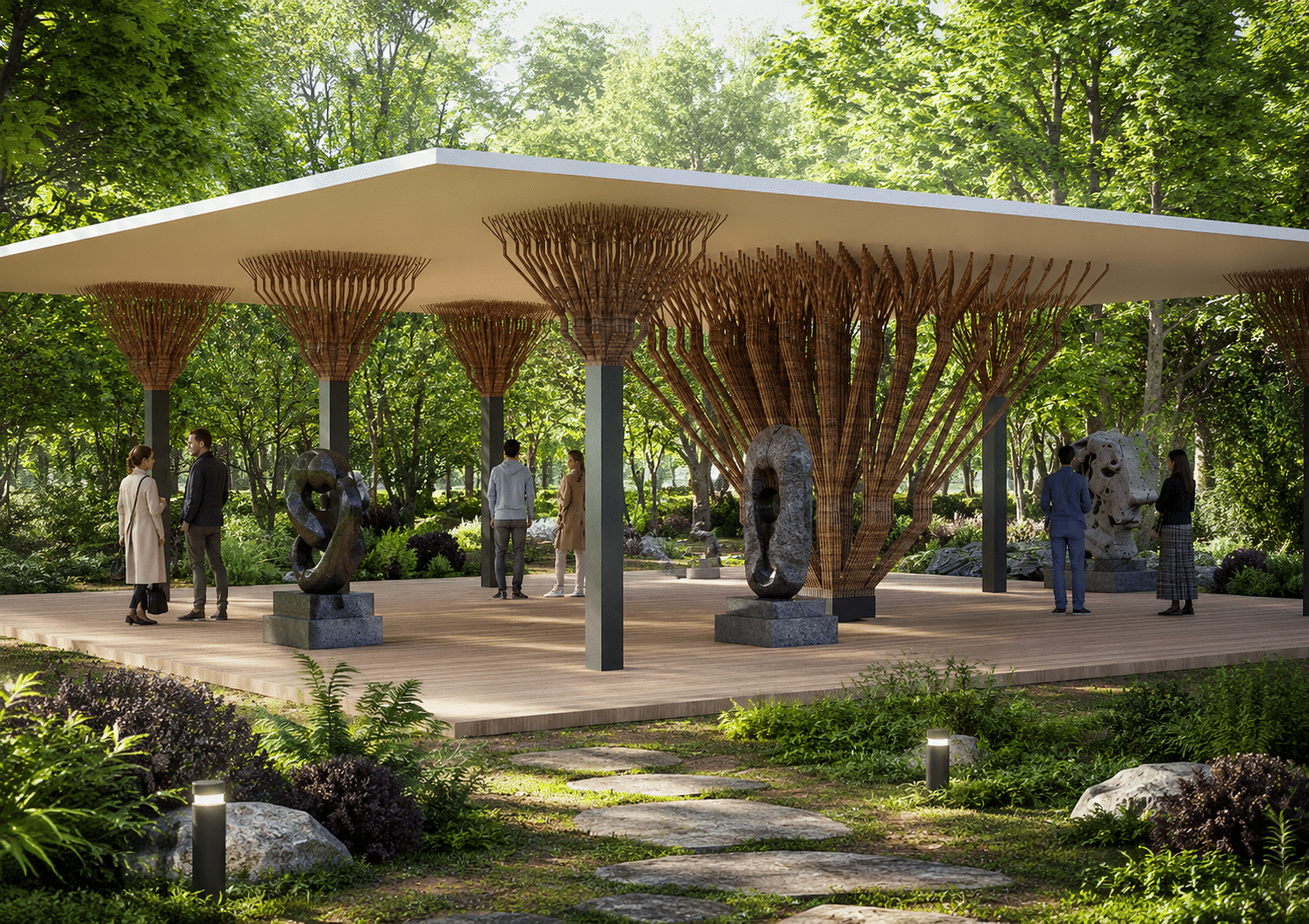
Canya Columna
PSEUDOCODE Base Geometry Karamba Sole Fitness Objective: MINIMIZE Deformation output in cm Analysed IterationsTotal Iteration Count: 1036 ITERATION

The MAA is a visionary master program with an innovative and open structure, mixing diverse disciplines, shaping professionals capable of producing theoretical & practical solutions towards responsive cities, architecture & technology.
Introduction to Optimization and Design Decision-making
Computational Design III (Level 1) focuses on translating parametric design knowledge into structured and informed decision-making processes. Moving beyond purely generative approaches, the seminar introduces methods for evaluating, comparing, and selecting design alternatives through performance-driven workflows. Students engage with environmental simulation tools to assess microclimatic conditions and integrate data into iterative design development. Building on this, the course explores both single-objective and multi-objective optimization techniques to navigate complex solution spaces and visualize trade-offs. Through the application of multi-attribute decision-making methods, participants learn to rank and interpret design alternatives for developing clear and reproducible strategies for data-driven architectural design.
view Syllabus & Faculty
PSEUDOCODE Base Geometry Karamba Sole Fitness Objective: MINIMIZE Deformation output in cm Analysed IterationsTotal Iteration Count: 1036 ITERATION
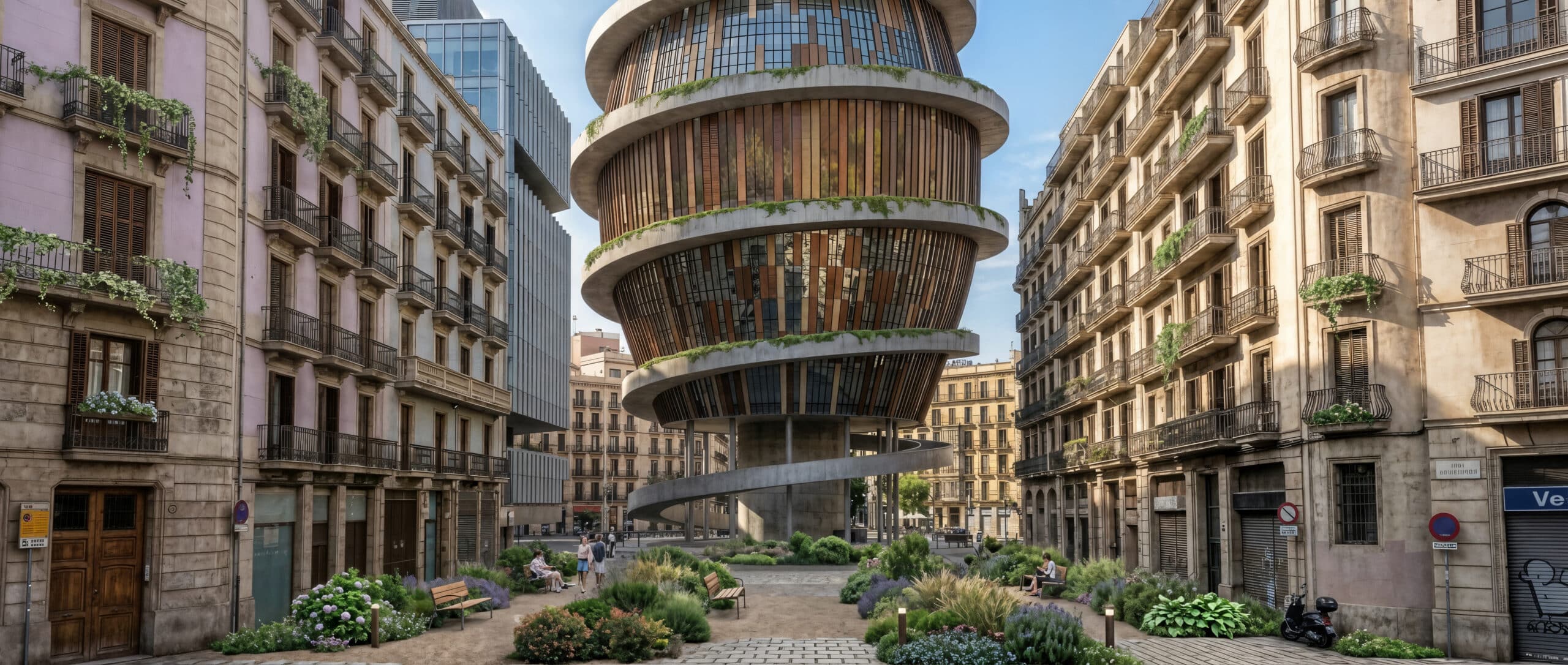
Project Selection L.O.O.P is a project developed in the Introductory Studio G1 with Carmelo Zappulla, Sebastian Amorelli and Amin Bigdeli.The project takes shape as a continuous green spiral that lifts both housing and public space off the sealed ground, freeing the courtyard and threading a biodiverse path vertically through the Eixample block. Computational Method Parametric … Read more
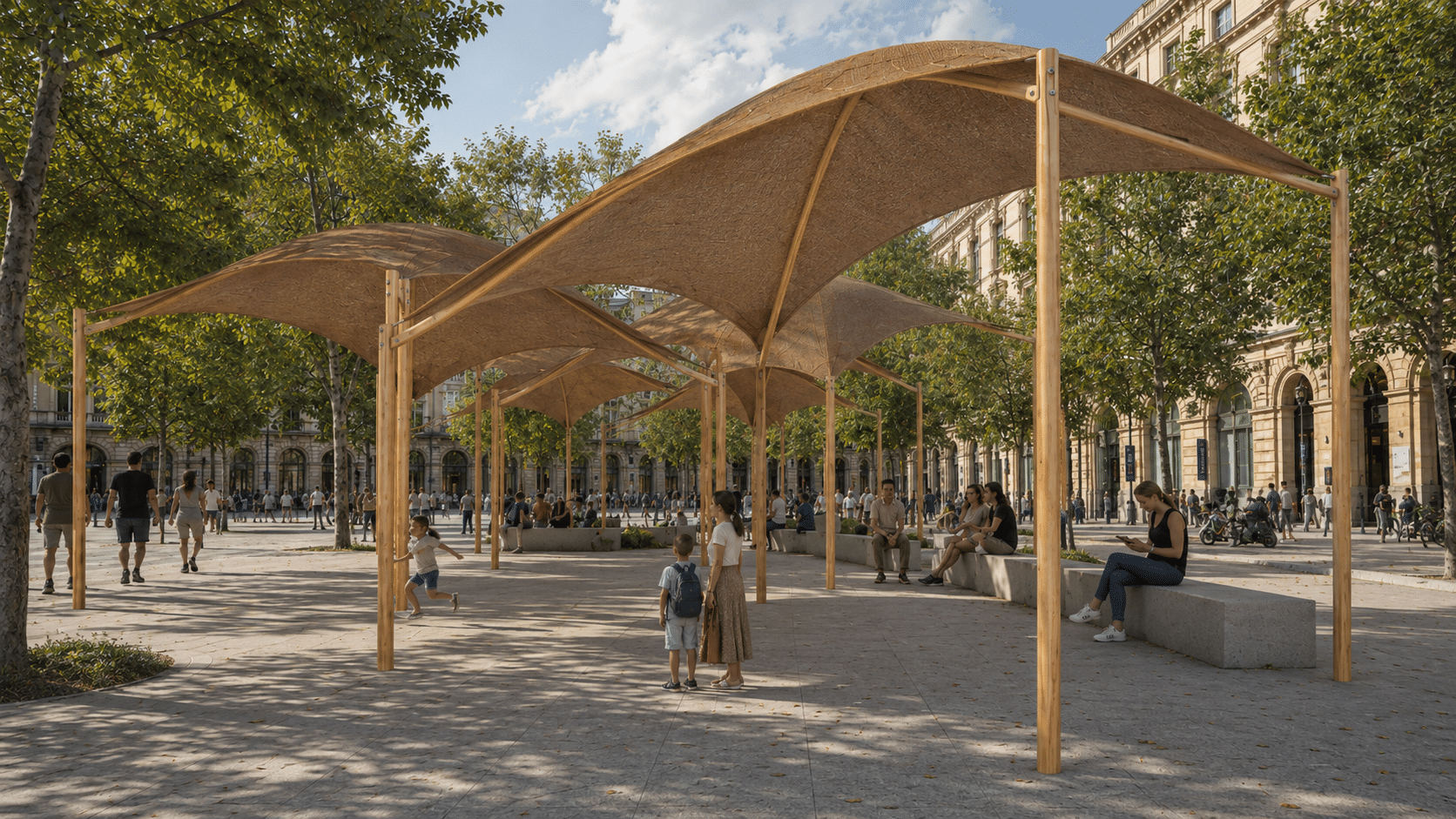
Sunburn is a computationally designed urban shading pavilion for Plaça Universitat in Barcelona. The project explores how lightweight canopy structures can improve comfort in public space while creating an inviting social environment. Using parametric column placement, Kangaroo surface generation, Ladybug solar analysis, and Galapagos optimization, the canopy geometry is tested across different sun-hour periods to … Read more
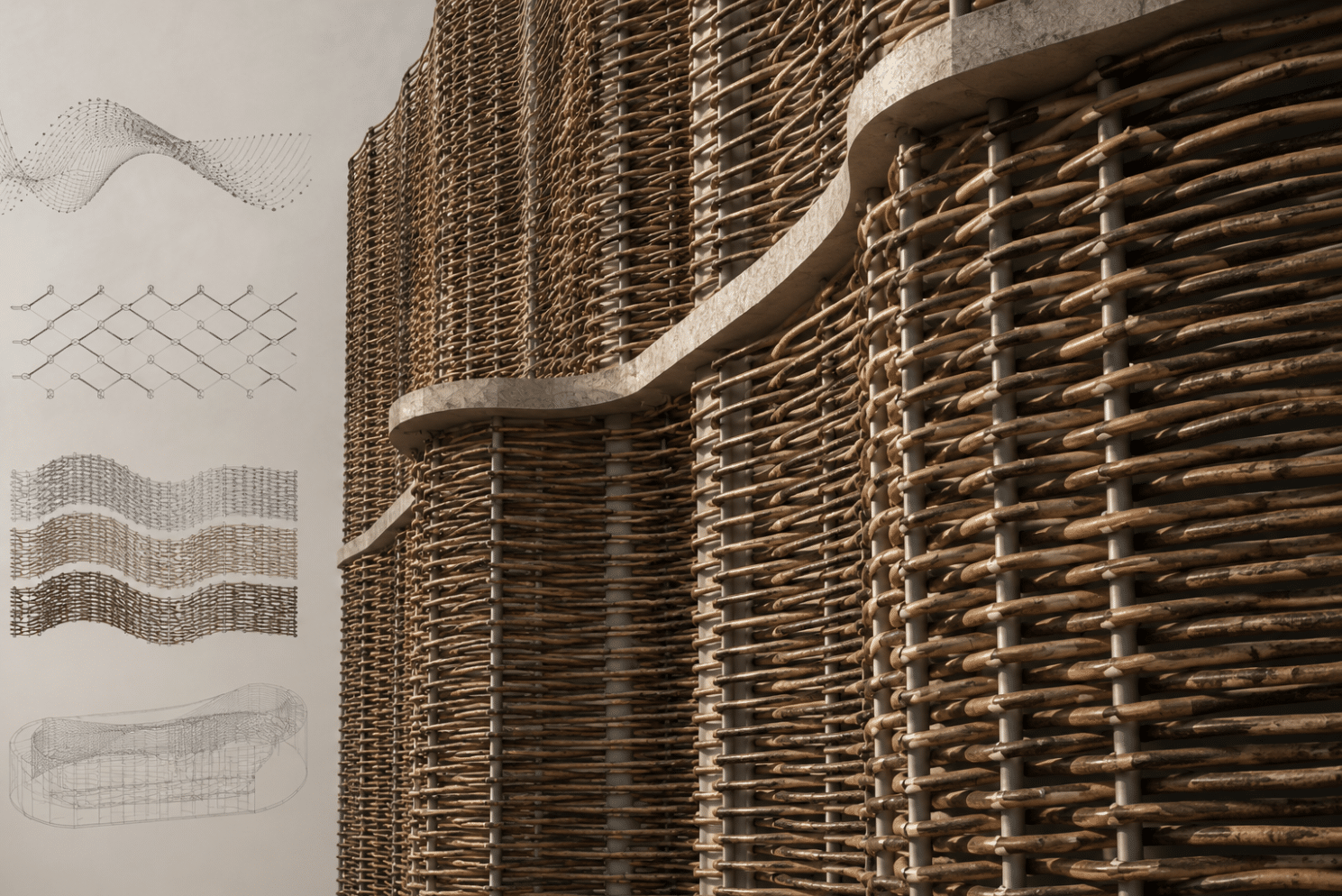
WillowMetric investigates the design and optimisation of a woven willow façade using parametric modelling in Rhino and Grasshopper. Through iterative analysis of pattern density, material distribution, and façade performance, the weaving system was refined to balance structural efficiency, shading, transparency, and aesthetic quality. The project demonstrates how computational design tools can inform material placement and … Read more
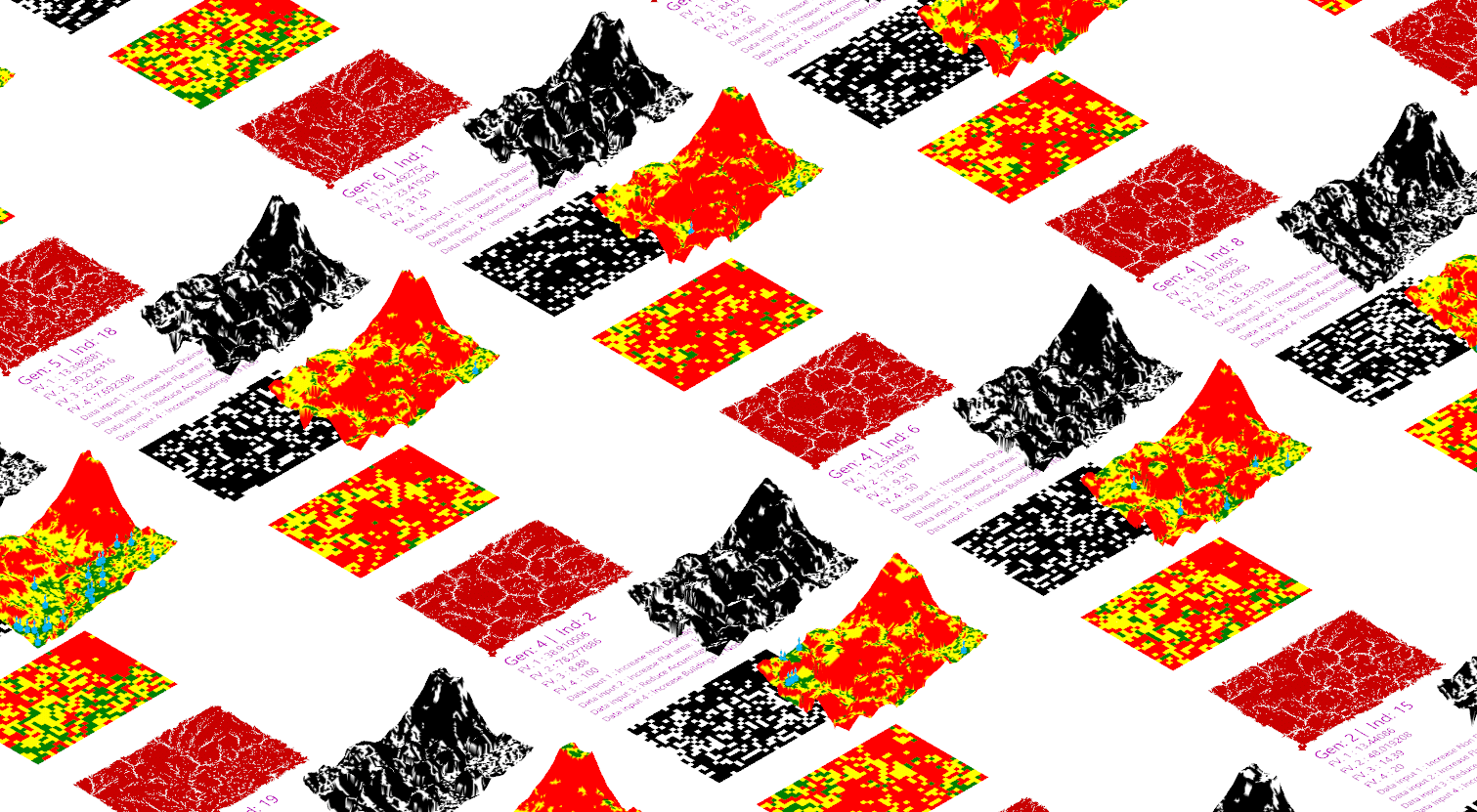
Modifying terrain slope to optimize drainage and building footprint. Can we optimize cut and fill for terrain modification to optimize water drainage and maximize building footprint? The “Sponge City+” toolkit is a Grasshopper-based platform that helps architects integrate low-impact development (LID) strategies into early-stage urban design. Tested on three Chinese university campuses, it combines runoff … Read more
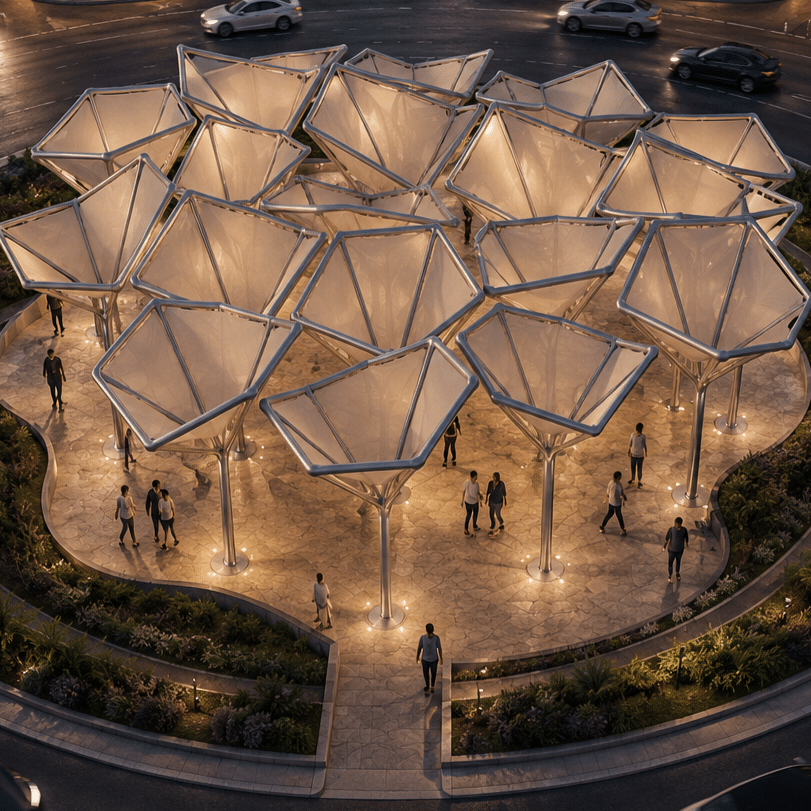
This project explores a parametric pavilion designed for Plaça de Tetuan, where variations in canopy height generate different spatial and shading conditions. A lightweight steel framework supports tensile textile panels, creating a porous roof that filters sunlight while maintaining an open public space. Using environmental analysis and Wallacei optimization, multiple alternatives were evaluated to balance … Read more
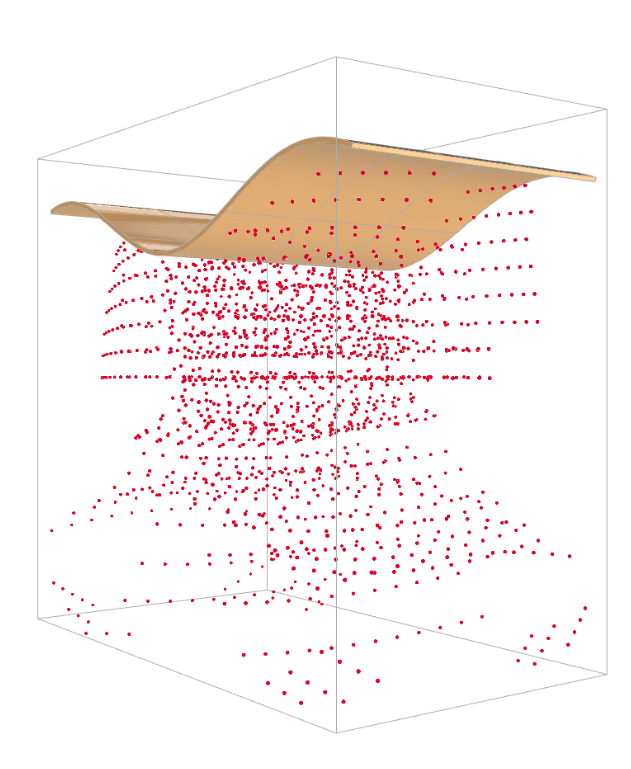
We identified the main problems while producing the roof of our Digital Matter studio, where we are making a system of bendable cork panels with jute and caesin, for that we needed molds to bend the panel according to curvature, To optimise the mold and reduce waste we used galapogos to define the bounding box … Read more
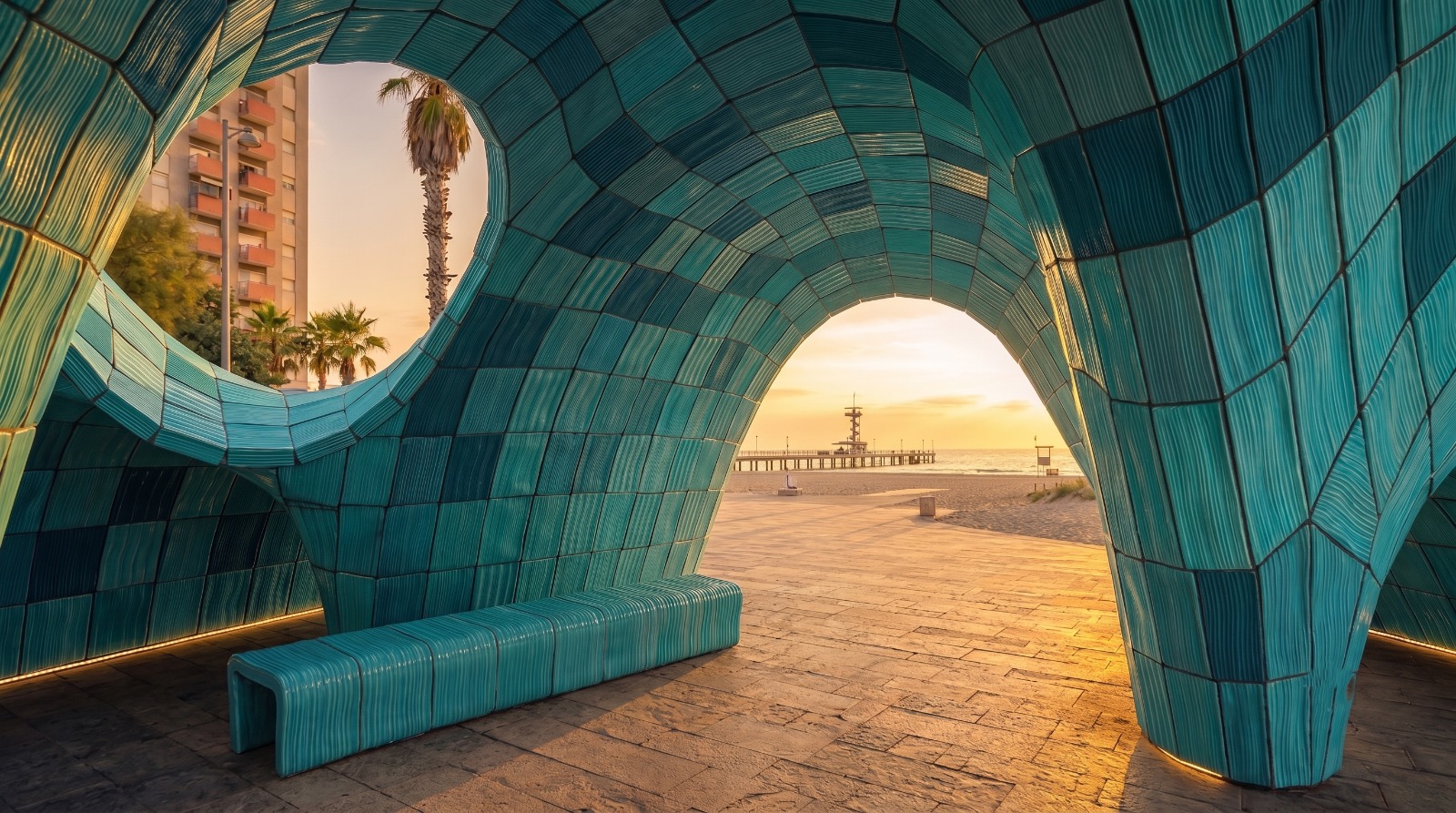
The Ripple Network is a multi-detached project consisting of two investigations. The first, El Xarxaire Pabellón, is a form-found waffle shell pavilion for Plaza del Mar, Barceloneta an exposed heat-island space with a critical lack of shade. Wallacei multi-objective optimisation evolves the canopy form across three objectives: solar radiation, direct sun hours and open views. … Read more
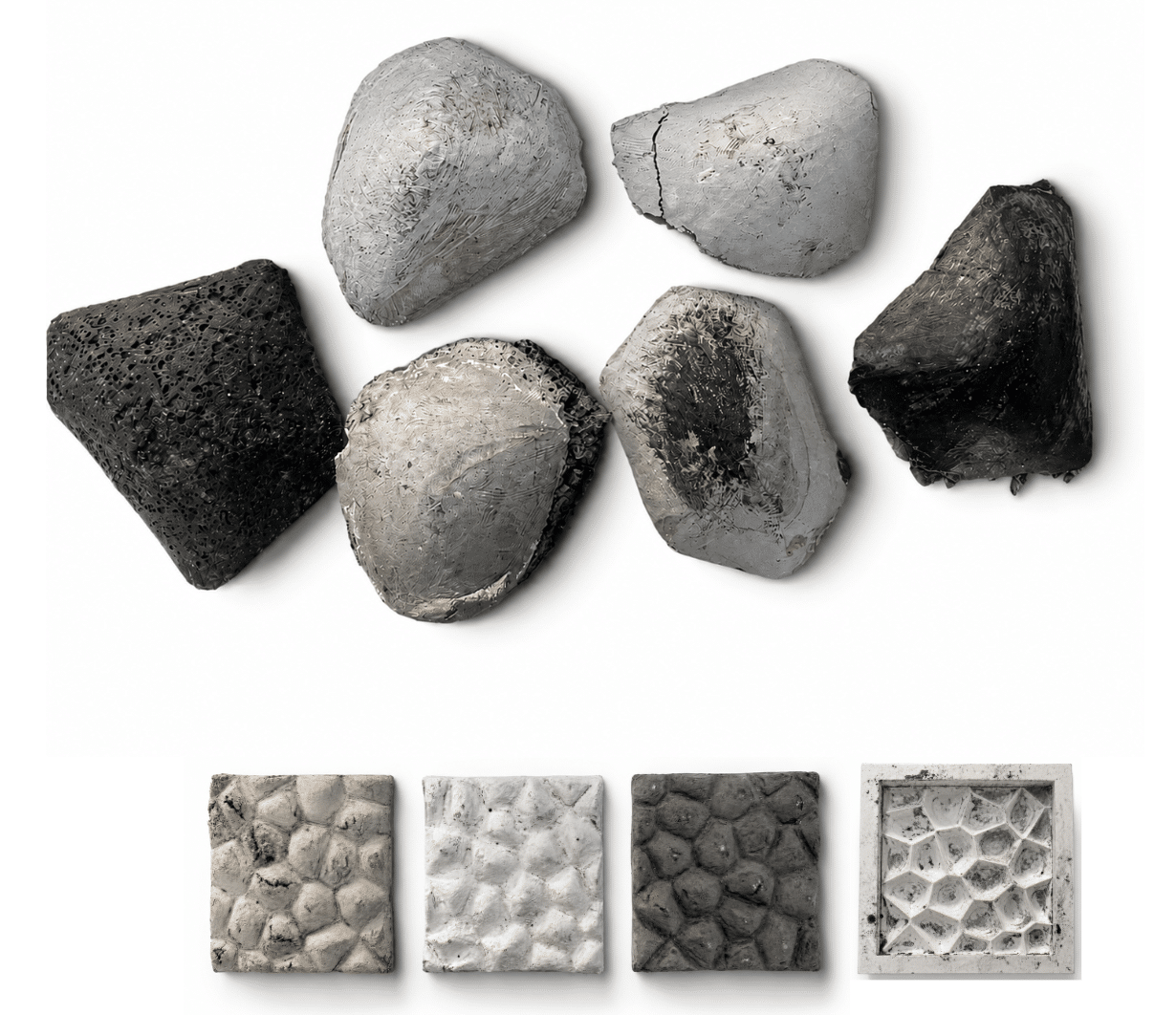
For this assignment, we decided to use the biochar + clay panel project that we have been developing in the Digital Matter class, since it was already an advanced material system and we could take advantage of the tests, geometry, and resources developed throughout the course. From this, we wanted to analyze which geometry could … Read more