The MaCAD is a unique online programme training a new generation of architects, engineers and designers ready to develop skills into the latest softwares, computational tools, BIM technologies and AI towards innovation for the Architecture, Engineering and Construction (AEC) industry.

Filters
Course

Navigating AI Ethics and Regulation

https://github.com/ronmaccms/llm-chatbot.git Can AI Help Us Regulate Itself? AI is rapidly transforming the world. One critical question is whether AI can help regulate itself. By training a LLM on a comprehensive set of research papers, we can explore AI’s potential to provide insights into its own governance and ethical use. The research investigates how national policies … Read more

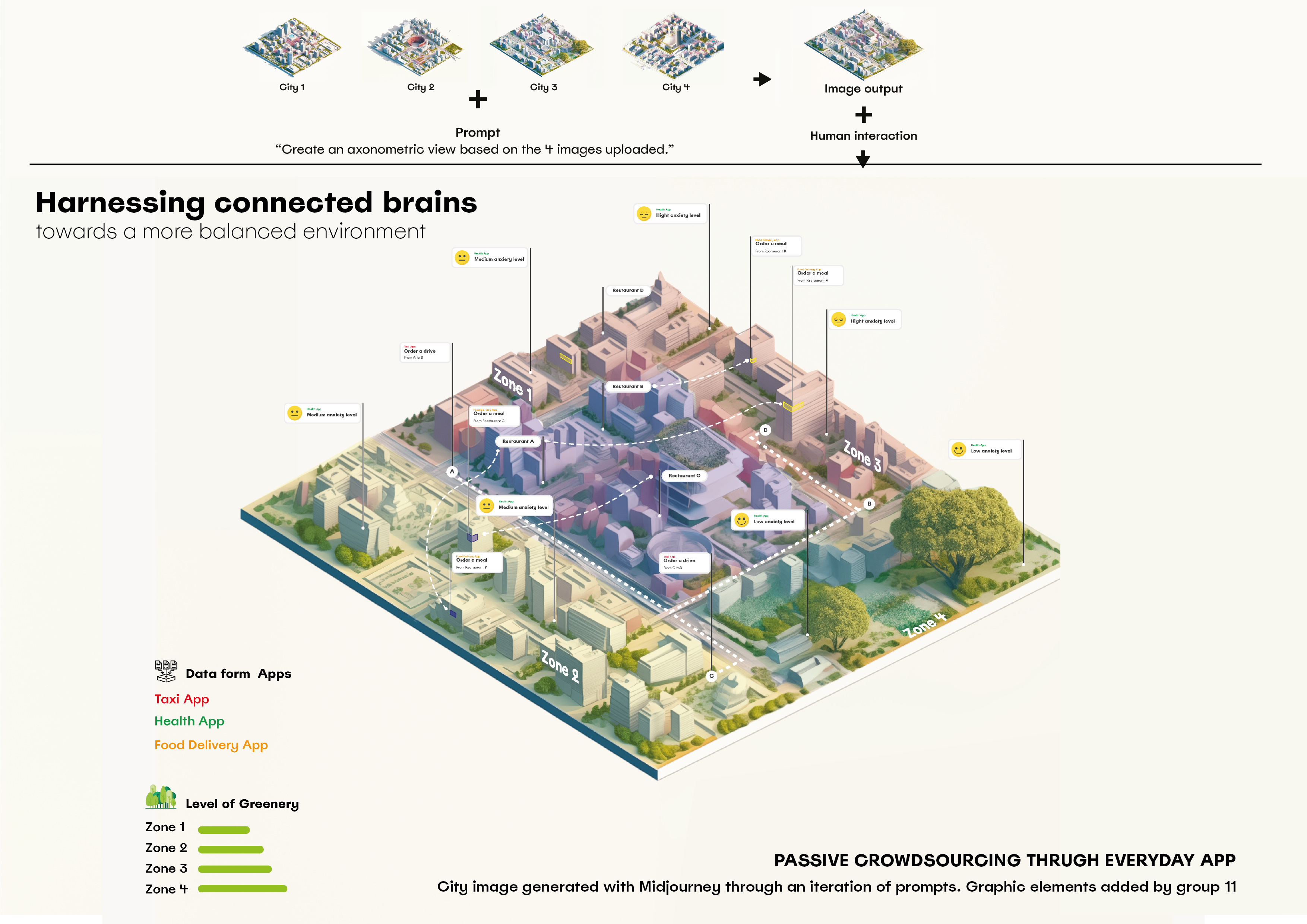
Harnessing connected brains towards a more balanced environment

Between groupthink and individualitythe conflicting human impulses toward civilisation and social organization”(William Golding, The Lord of the flies, 1954) -How does collective design ensure/produce better environments?-How collective intelligence can affect design decisions?-How top-down and bottom- up projects are implemented?–Open data vs privacy | Participatory vs autonomy | Crowdsourcing / Crowdfuding Introduction To what extent collective … Read more

Self-organized city – a product of collaboration

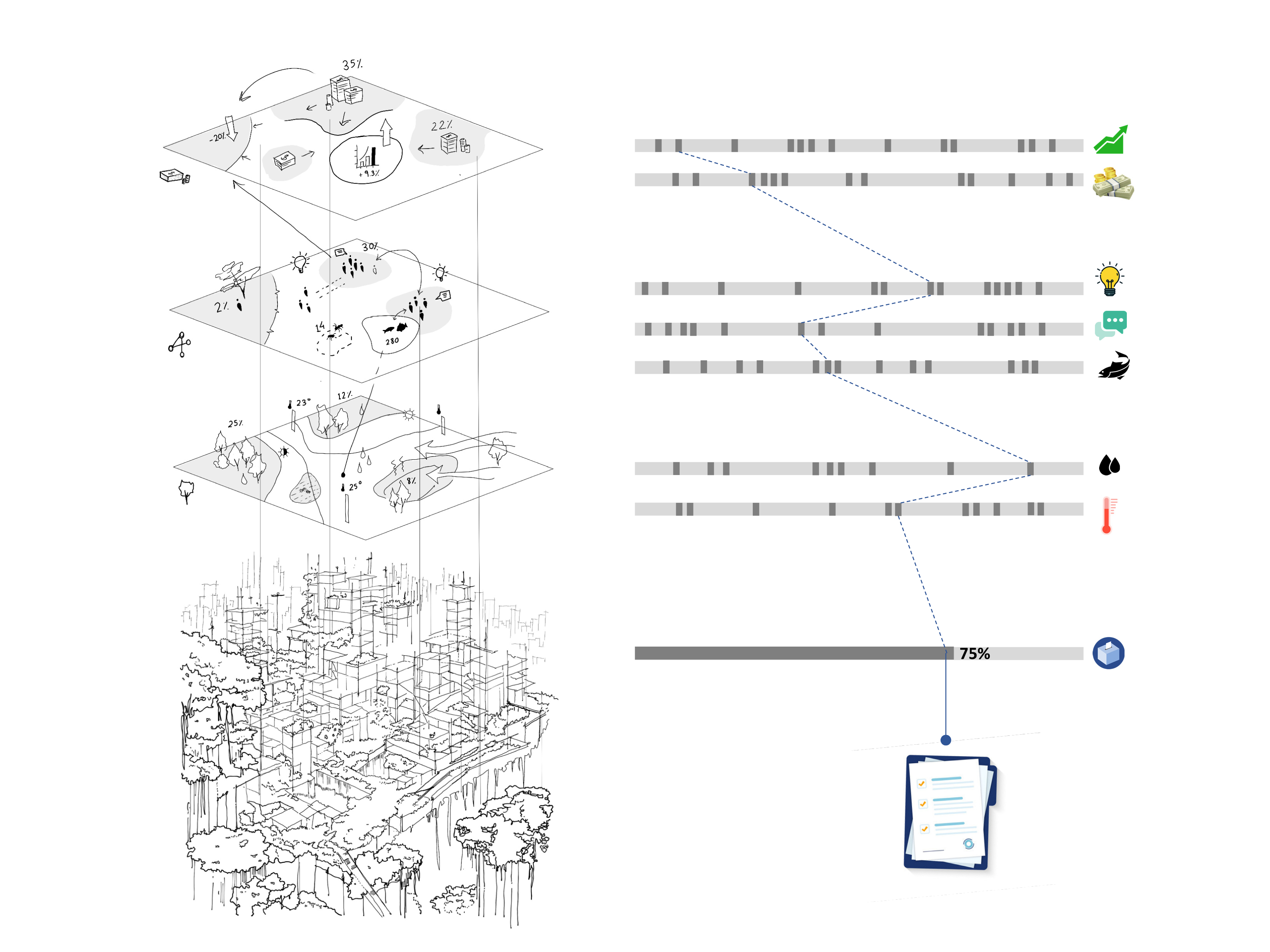
Sustainability and collective intelligence Manifesto diagram illustrating the participatory processes of the city inhabitants, created by the group Each section of this manifesto can be perceived independently. Choose the reading order and create your own narrative. The personalized narratives reflect the methodology to address the complexity of collaborative urban design processes at a macro level. … Read more

Ecological Design: Towards A Utopian or Dystopian Future

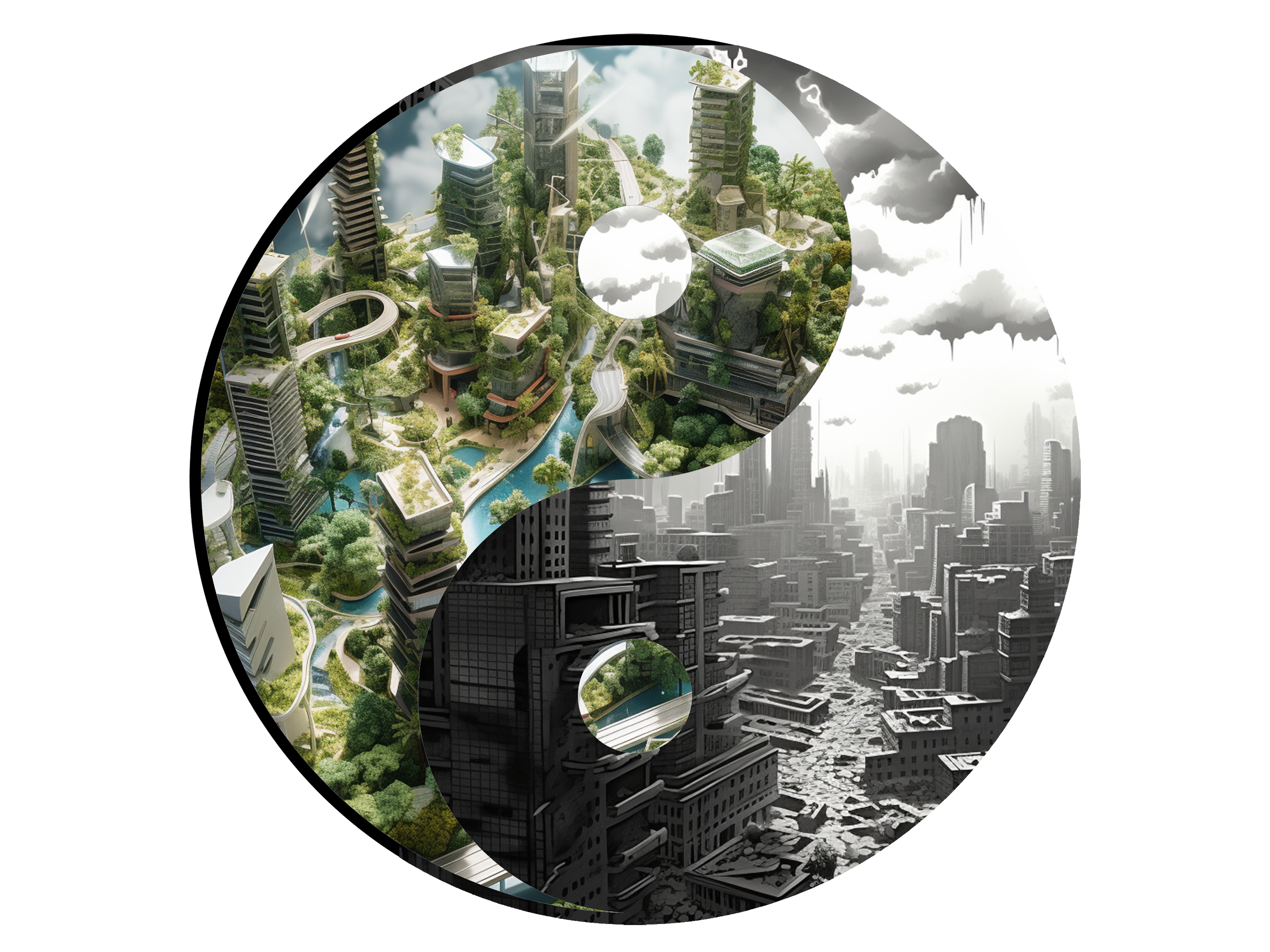
Ecological designs mimic nature, aiming to produce systems that generate no waste and positively impact the environment. We will consider the opposite ends of an ideal civilization: a utopian and dystopian world. Utopian: A future when there is a balance between satisfying living creatures (Humans, animals, and plants) needs in a space/building through an efficient … Read more

Metaphors of Transformation: Shaping Sustainable Architectural Paradigms in the Urban Era

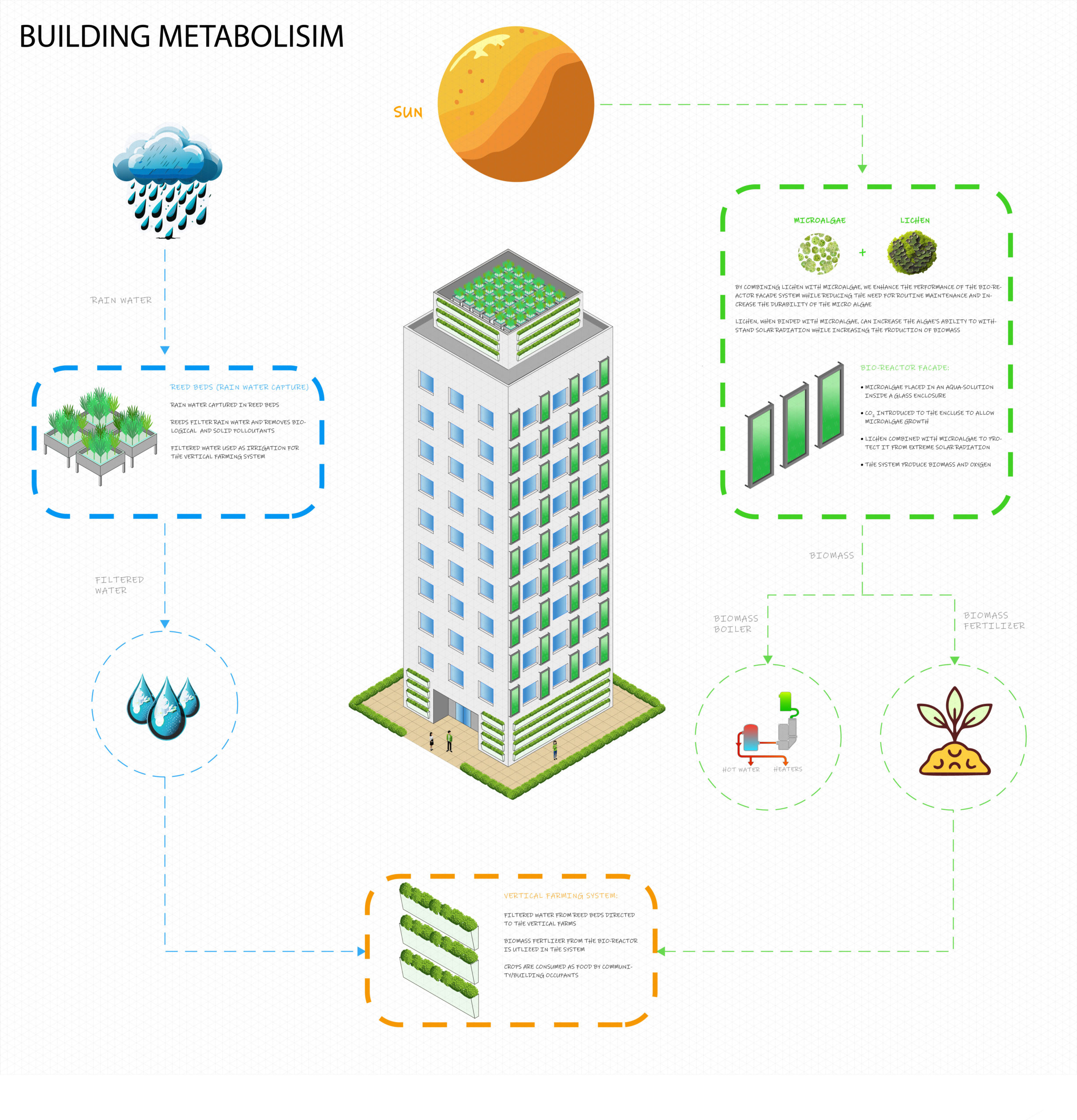
Introduction In the face of intensifying urbanization and the climate crisis, how can a paradigm shift in architecture, guided by the principles of building metabolism theory, offer a sustainable and regenerative solution to address the challenges of our rapidly evolving urban environments? Abstract In an era of intense urbanization there is an imperative need for … Read more

Natural Materials and Digital Fabrication: A Radical Approach to Mass Utilisation and Standardisation

  Global technology evolves rapidly, unprecedented in human history. This progress significantly enhances lives but at a considerable cost, marked by escalating global temperatures and the looming threat of extinction. Ongoing research aims to mitigate these adverse effects through diverse strategies.The building sector contributes about 47% of global carbon emissions. Architects, integral to this industry, … Read more

Building Physics transcends the theoretical as it steps into the realm of computational design and data driven optimization

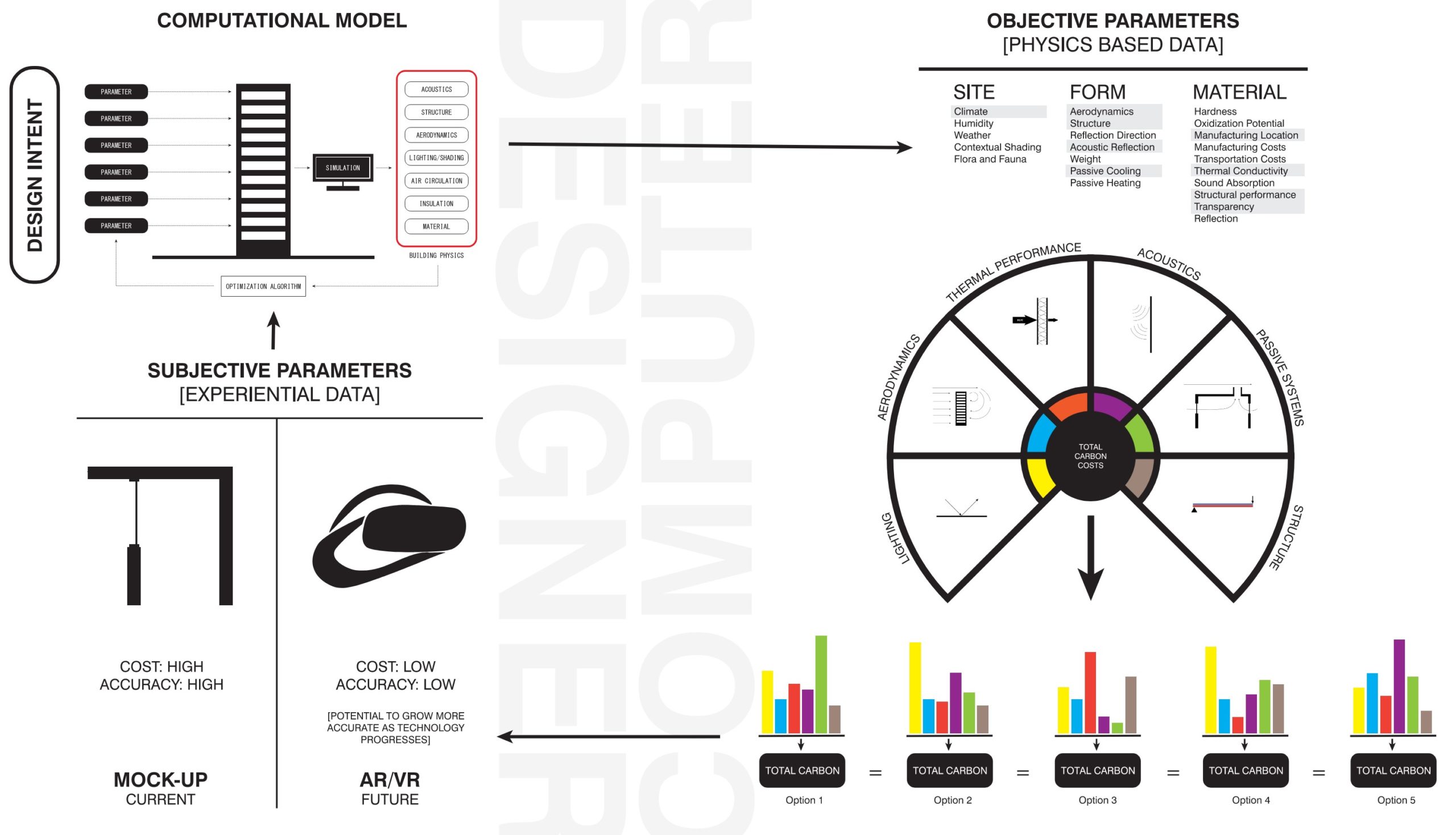
With parametric models as its allies, Building Physics simulates and optimizes, offering a glimpse into the future of building design with tools capable of analyzing thermal comfort, lighting, energy consumption, and structural performance.  In the age of circular and environmentally driven approaches, computational design becomes the compass, guiding deep dives into material optimization, environmental impact … Read more

Building Envelopes: Catalysts for Outdoor Thermal Comfort and Health

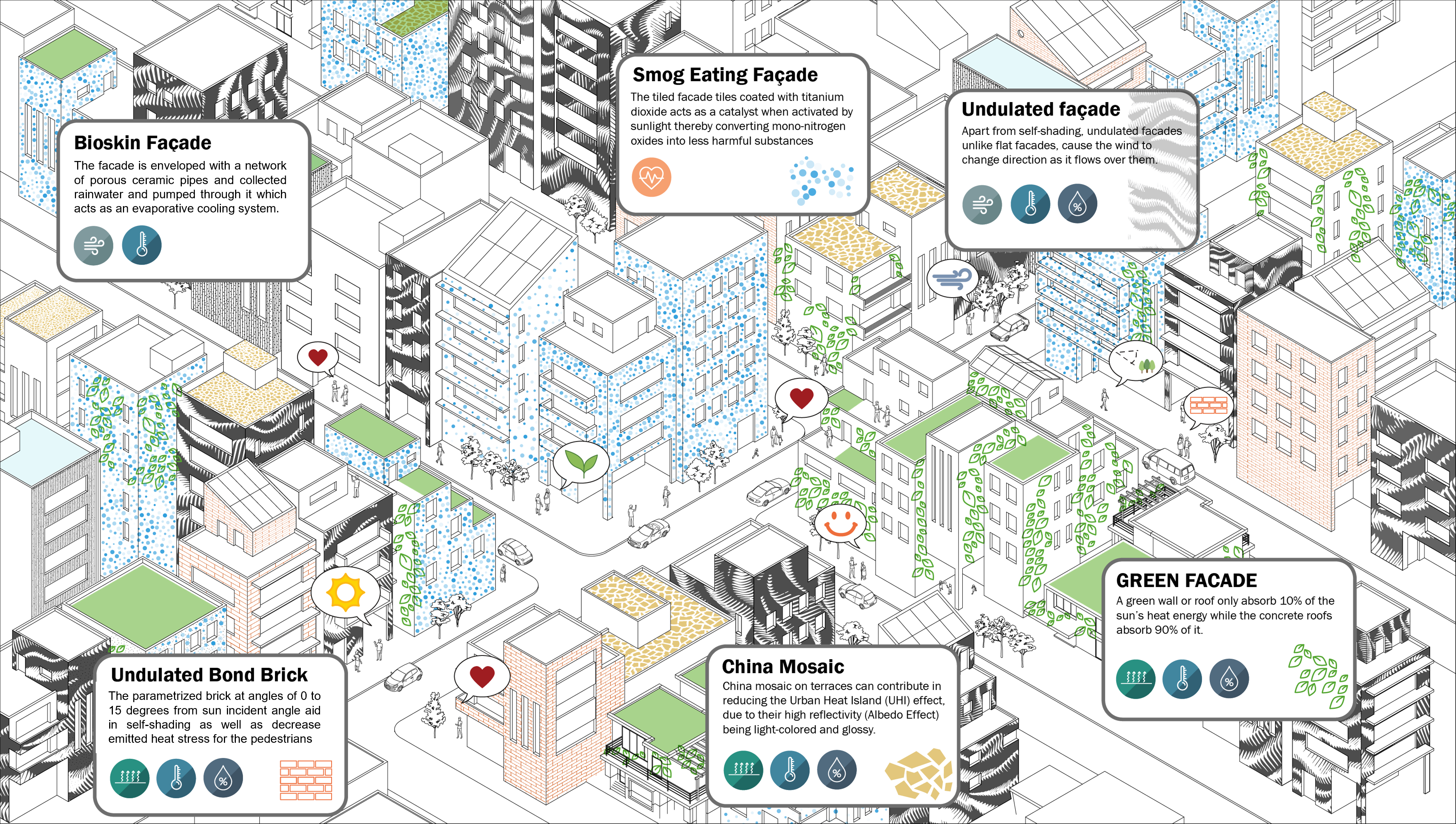
Objective of the manifesto In an age defined by climate change, this manifesto strives to motivate designers by evoking their consciousness, to design the building envelopes not just for indoor comfort and aesthetics, but also ensuring the creation of outdoor thermal havens as these envelopes comprise approximately 70 % of the urban outdoor environment. Hence … Read more

Interspecies city: A Co-Creative Model for Sustainable Urban Growth

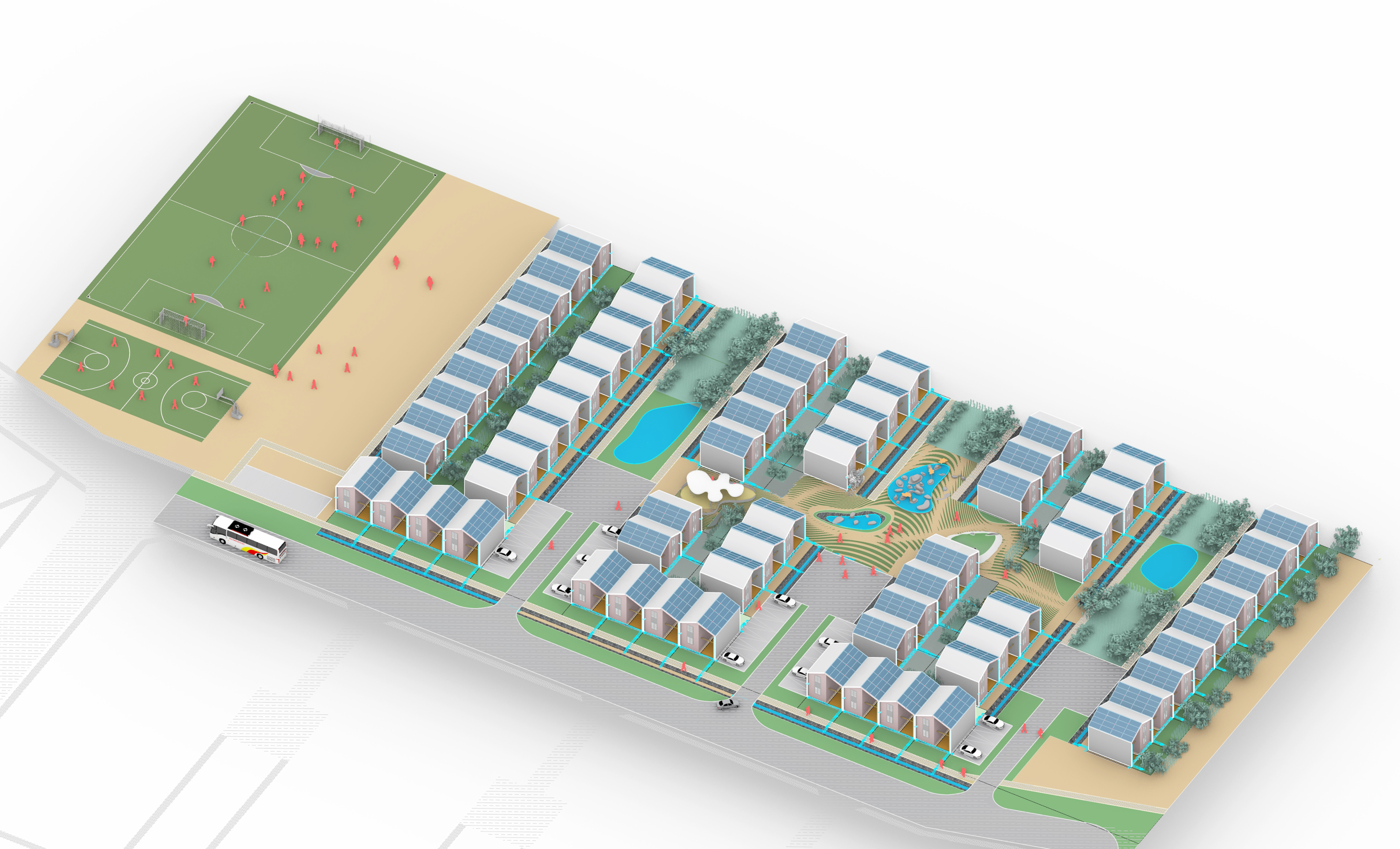
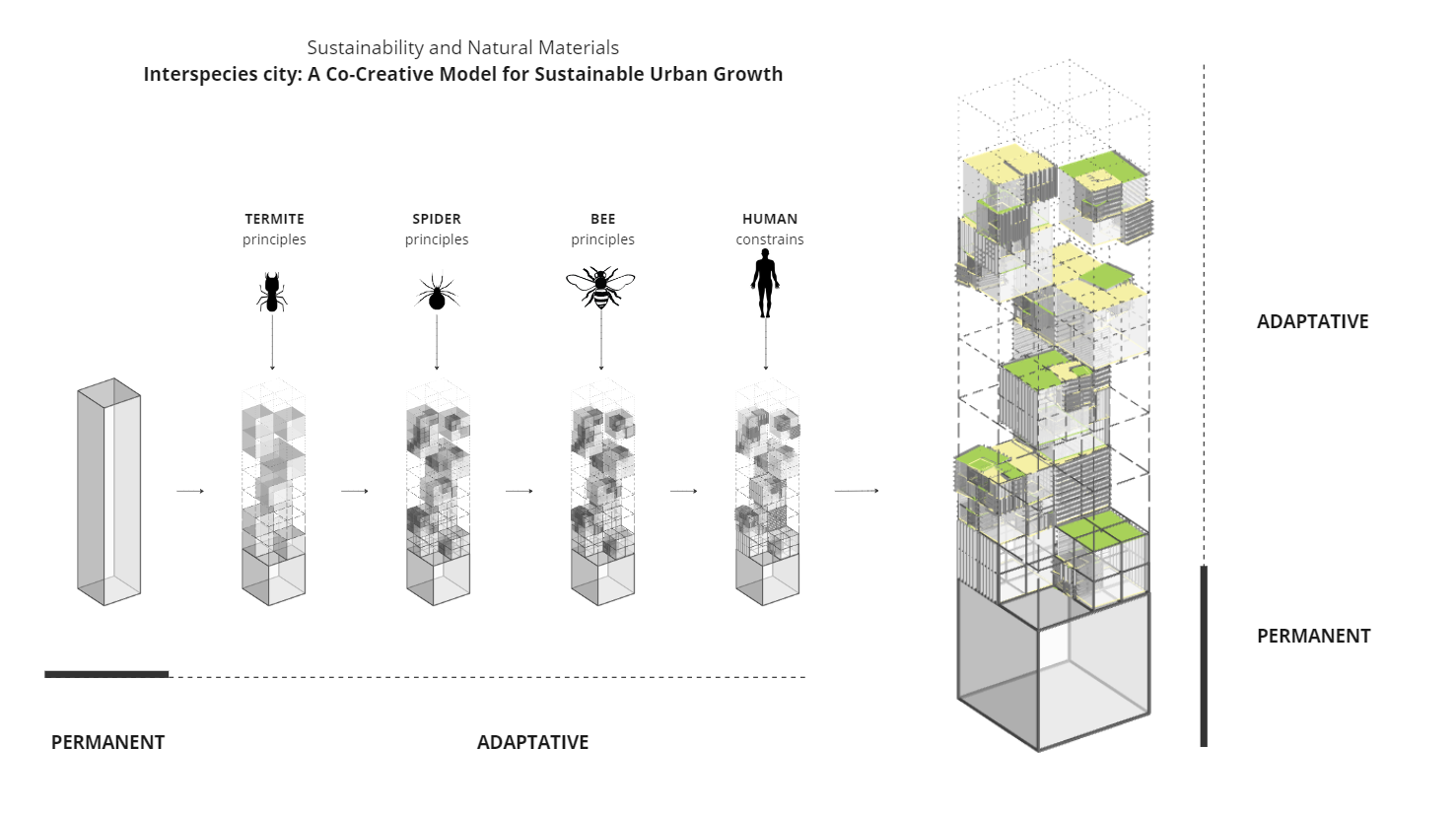
INTRODUCTIONWhat is the difference between writing in ink and writing in pencil? Pencil can be easily deleted and re-written, while ink is permanent. In the realm of construction, the choice between writing in ink and pencil becomes a metaphor for permanence versus adaptability. Our cities face the urgent need for transformation in the face of … Read more

Symbiotic Metabolism

Problem Statement Modern buildings are fortresses holding nature at bay, reflecting Dualist philosophies separating humans from nature. Our current Anthropocentric notion of “nature” as something “out there” and separate from culture has created a metabolic rift1 within our urban and architectural landscapes, obscuring the ravaging of the earth. Resources are shipped from across the globe, … Read more

Reversing Ecosystem Degradation

MaCAD 23/24 // ACESD Theory Existing State of Urban Design In order to understand how to strive for successful ecological design practices, designers must first understand the problems that currently exist in the process of urban design. The current state of design tends to create distinct enclosures between both natural ecosystems and humans, with the … Read more