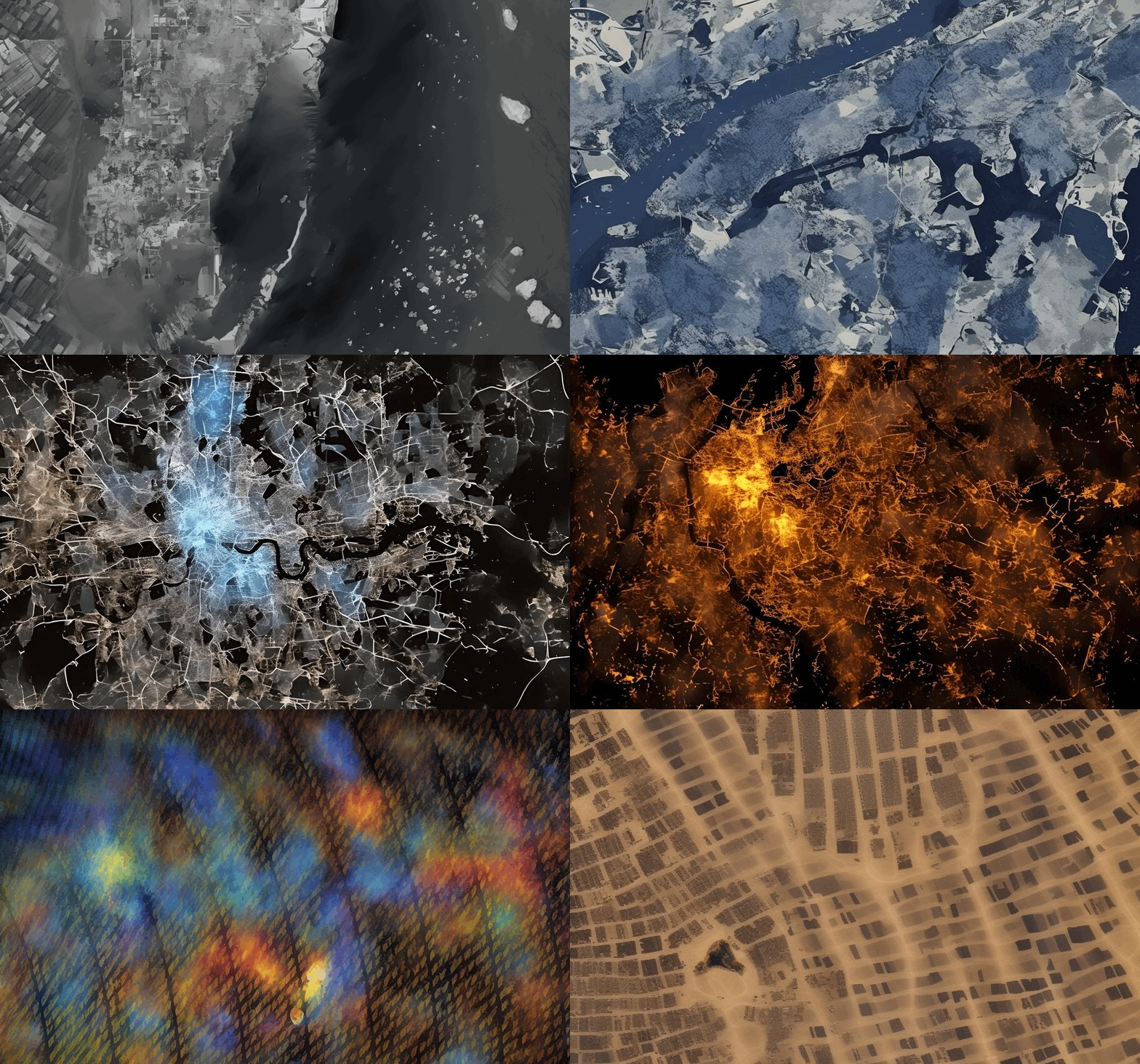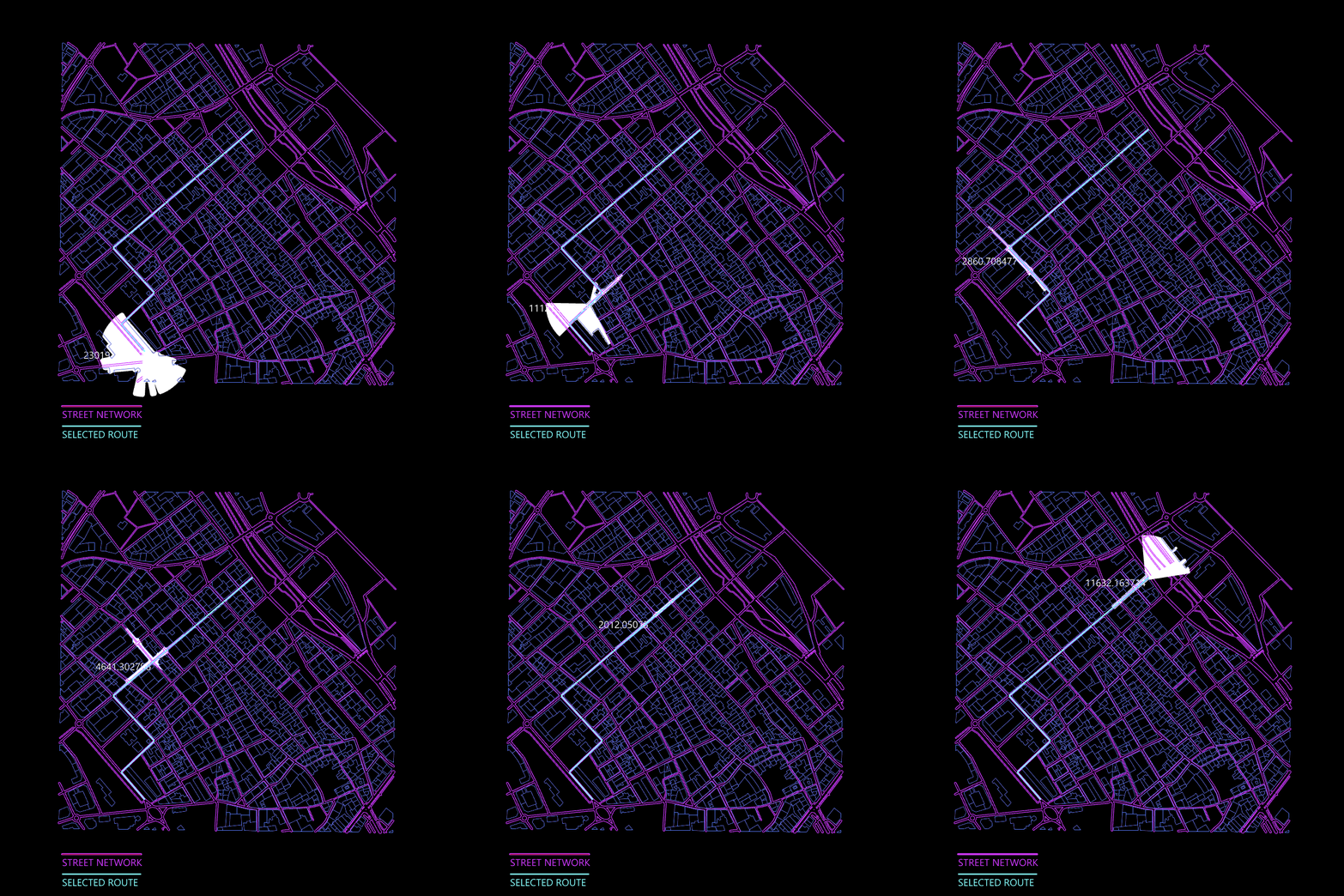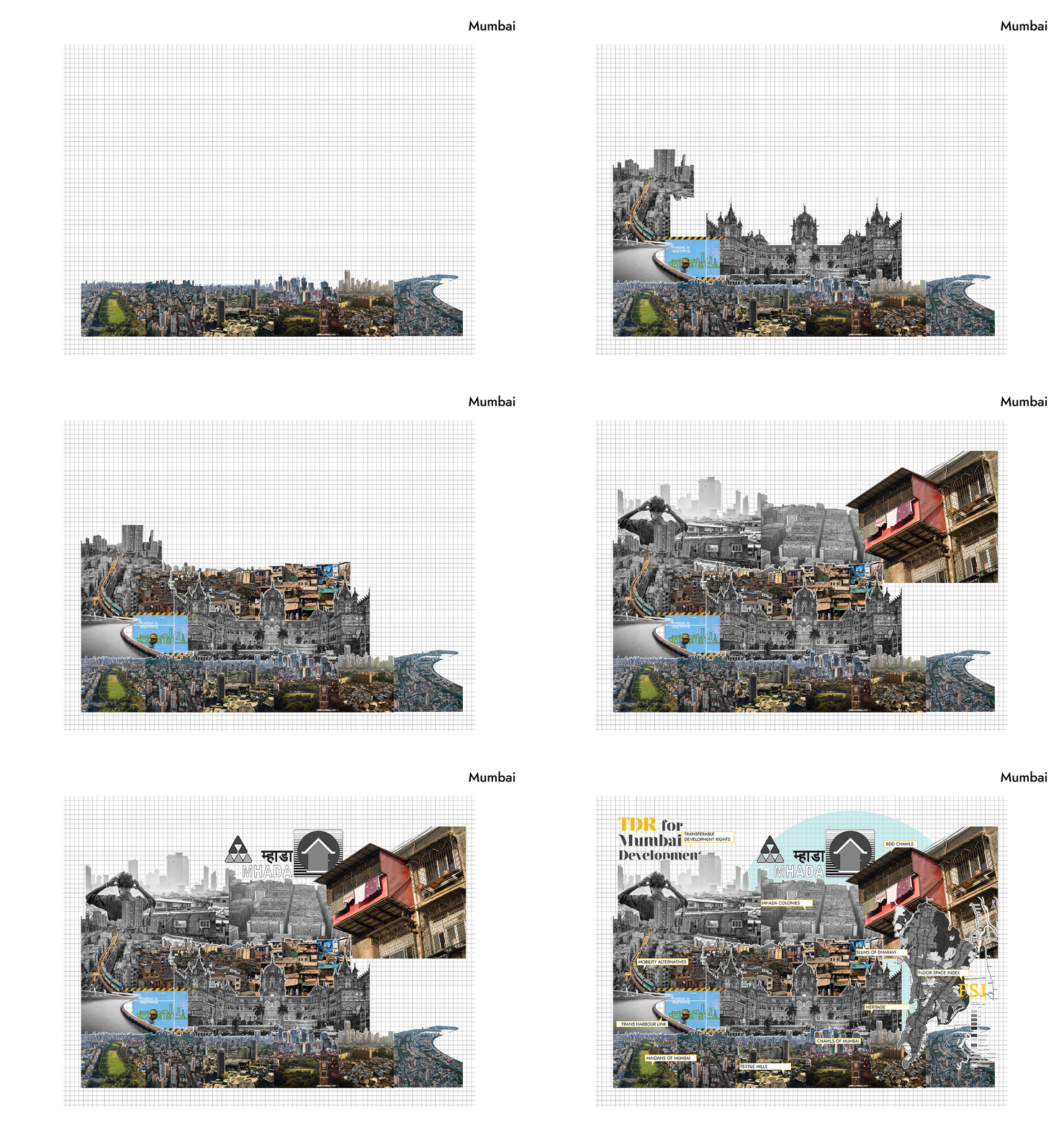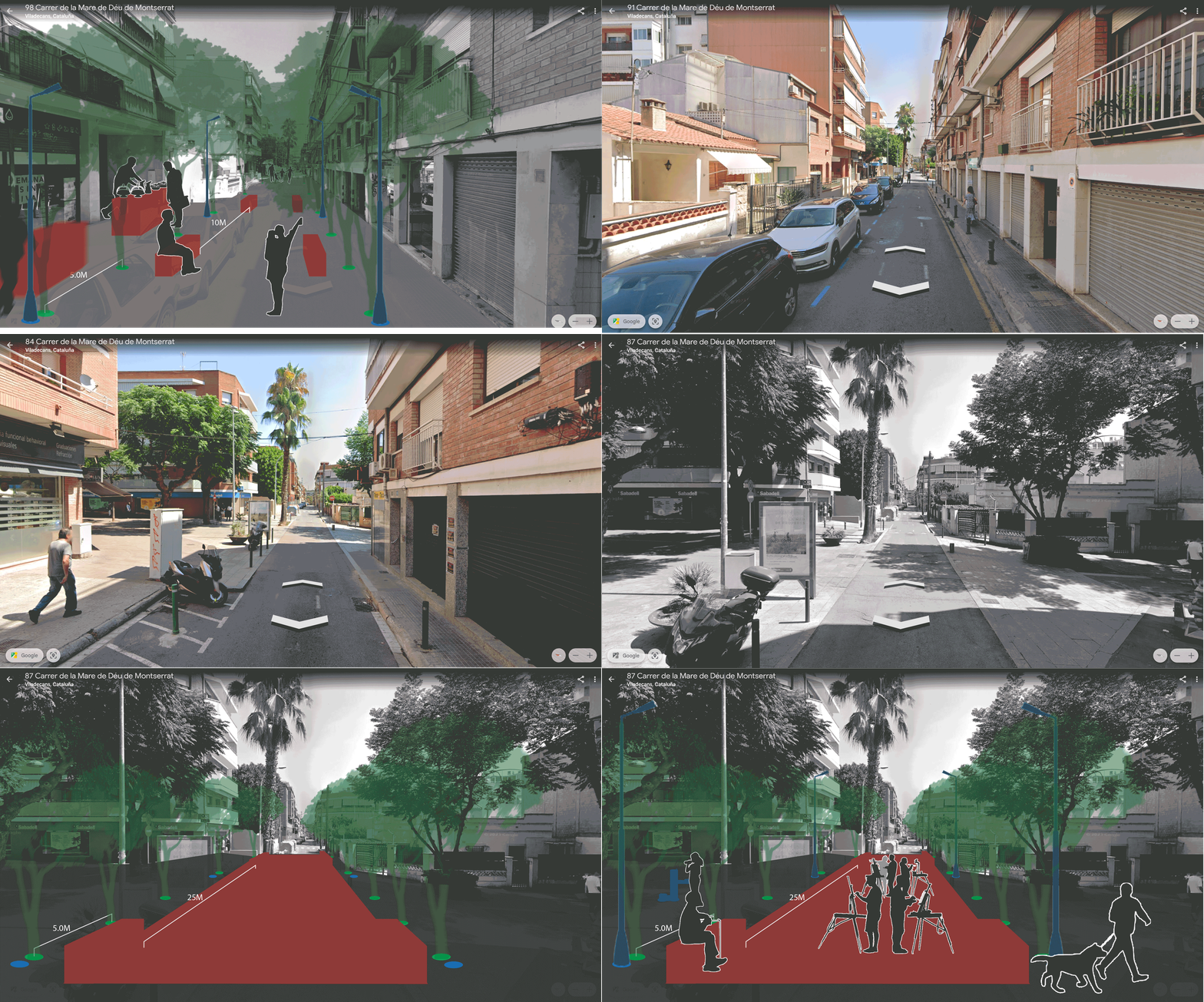
IAAC’s Master in City & Technology (1 or 2-year program) is a unique program oriented towards redefining the analysis, planning, and design of twenty-first-century cities and beyond. The program offers expertise in the design of digitally enhanced, ecological and human-centered urban environments by intersecting the disciplines of urbanism and data science. Taking place in Barcelona, the capital of urbanism, the Master in City & Technology is training the professionals that city administrations, governments, industries, and communities need, to transform the urban environment in the era of big data.


Filters
Course

Urbanization and gene pools: A simulation study

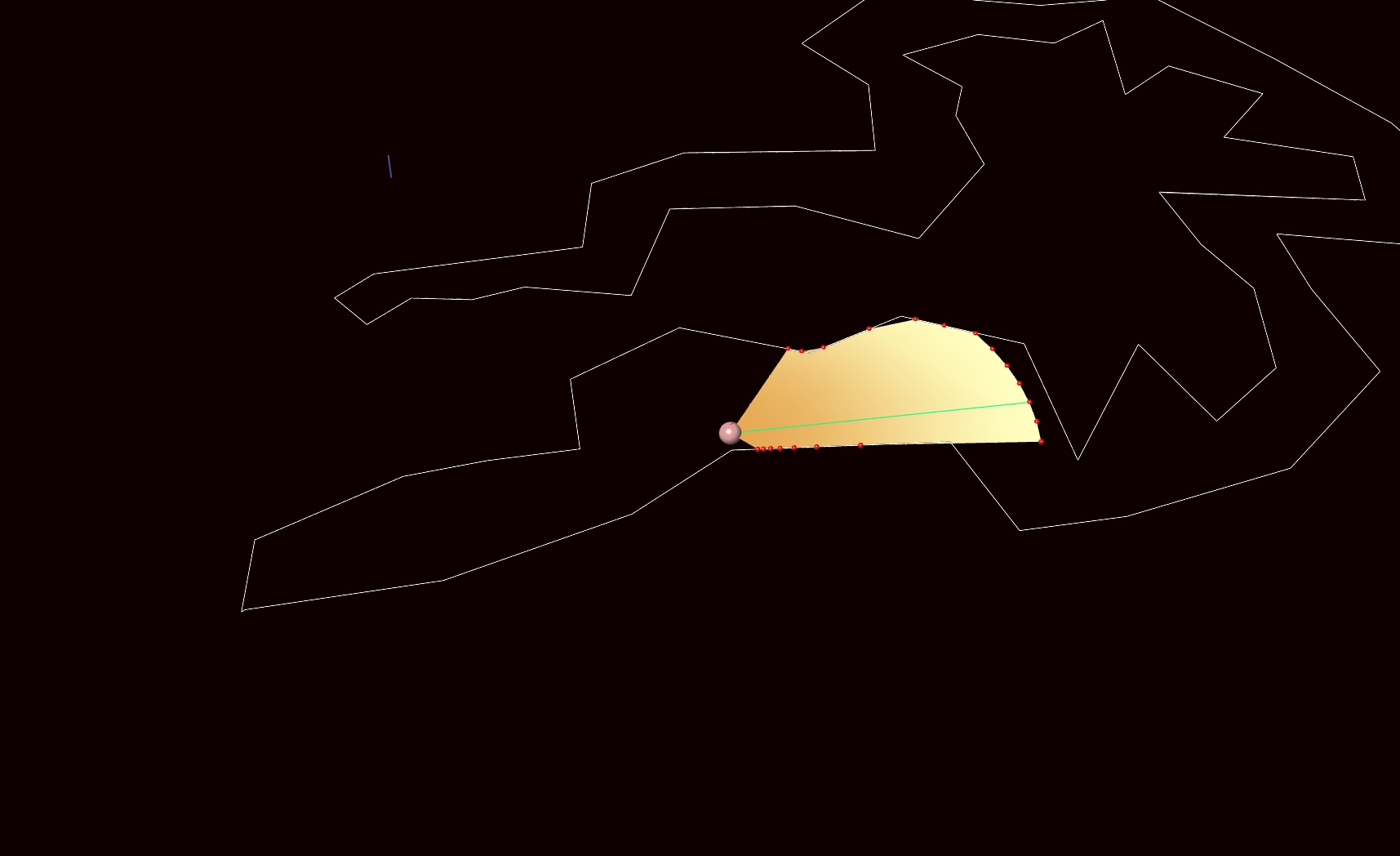
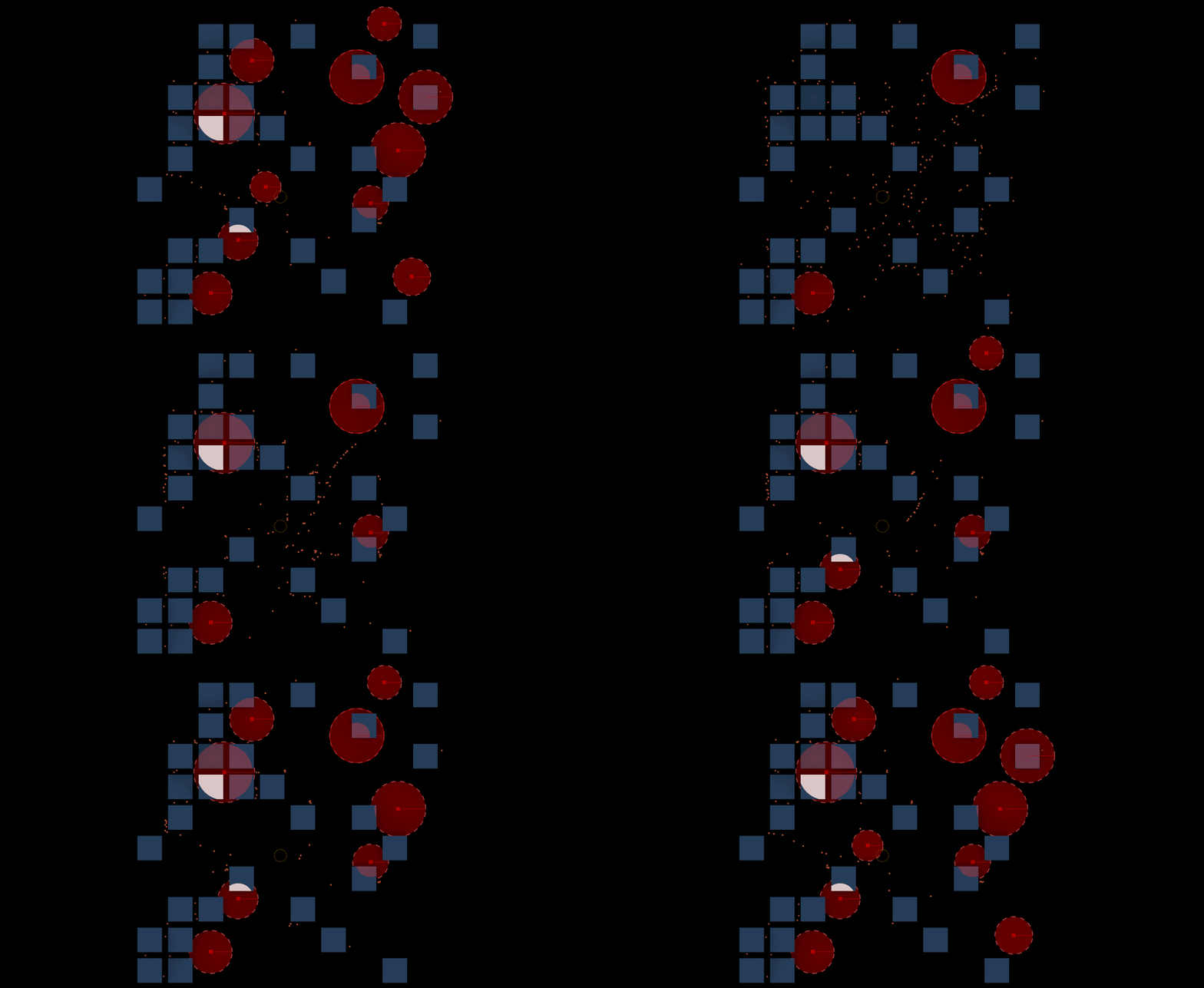
The persistent expansion of urbanization poses a significant threat to wildlife populations. One under-explored facet of this impact concerns the genetic health of these populations. Genetic diversity, measured by the variation within a gene pool, is crucial for resilience and adaptation. This project utilizes Grashopper-led simulations to explore the dynamics between habitat fragmentation, animal movement, … Read more

Investigating Tribal Right in India: Its need and its challenges

1. Abstract India is a country known for its diversity. In the diverse fabric of inhabitants, India’s governing policies and laws are meant to safeguard the rights and responsibilities of minor groups residing in India, amidst the general laws for all of her inhabitants. Minor groups like tribes of India, registered in the schedule of … Read more

Tracking Cross-Border Monetary Flows to measure Geopolitical Insecurity

Creating a streamlined pipeline to visualize and extrapolate financial data enabling a correlation with spatial geo-specific information. The World and all countries alike have been increasingly more susceptible to events and developments in the geo-political theatre. It is not surprising that the world’s top two economic and military superpowers play a pivotal role in this … Read more

Theories of the Urban_II

Questioning the rhetoric. The brief In the epoch of the Anthropocene, characterized by humanity’s profound impact on the Earth’s geology and ecosystems, the discourse surrounding resilience to climate change has become increasingly prominent. As societies grapple with the consequences of human-induced environmental transformations, there is a growing recognition of the need to question and analyze … Read more

Theories of the Urban (II)

Critical urban theory This research explored the dynamic relationship between urban landscapes, architectural design, and technological evolution, particularly within the context of the Anthropocene epoch and rapid technological progress. Drawing from a diverse array of urban theory frameworks, the study sought to unravel the complex interconnections shaping contemporary cities. Employing advanced Artificial Intelligence techniques, a … Read more

Ideals Along Lines of Conflict

The killing of Nahel Merzouk was not an accident. The 17-year-old French Algerian boy was killed where the potential for conflict is high, in Nanterre. A young Muslim in a yellow Mercedes along the western Champs-Élysées unfortunately made Nahel a prime candidate for police violence resulting in death. His death brought about a week of … Read more

THEORIES OF THE URBAN II

Decoding complex theoretical texts using AI platforms such as ChatGPT and Midjourney. These tools help tackle dense material by breaking it down into easily digestible points. With the ability to condense large chunks of text into concise, manageable paragraphs, supplemented by key definitions drawn directly from the text itself. Through the utilization of carefully selected … Read more

Confronting Forms of Erasure

History is not always written in neat paragraphs and grand monuments. Sometimes, the most important stories are the ones left untold. The ones silenced, forgotten, or deliberately erased. In 1994, over a period of 100 days, the Rwandan genocide took place. Hutu extremists; fueled by ethnic hatred and political manipulation, sought to eradicate the Tutsi … Read more

The Climate Paradox

COP is a climate conference that aims to cut emissions but paradoxically boost carbon footprints due to increased transport and attendance. This situation offers host cities a chance to engage in greenwashing, presenting a façade of environmental responsibility. This underscores the intricate challenges involved in realizing true sustainability during major events, highlighting the need for … Read more

Rethinking Urban Life

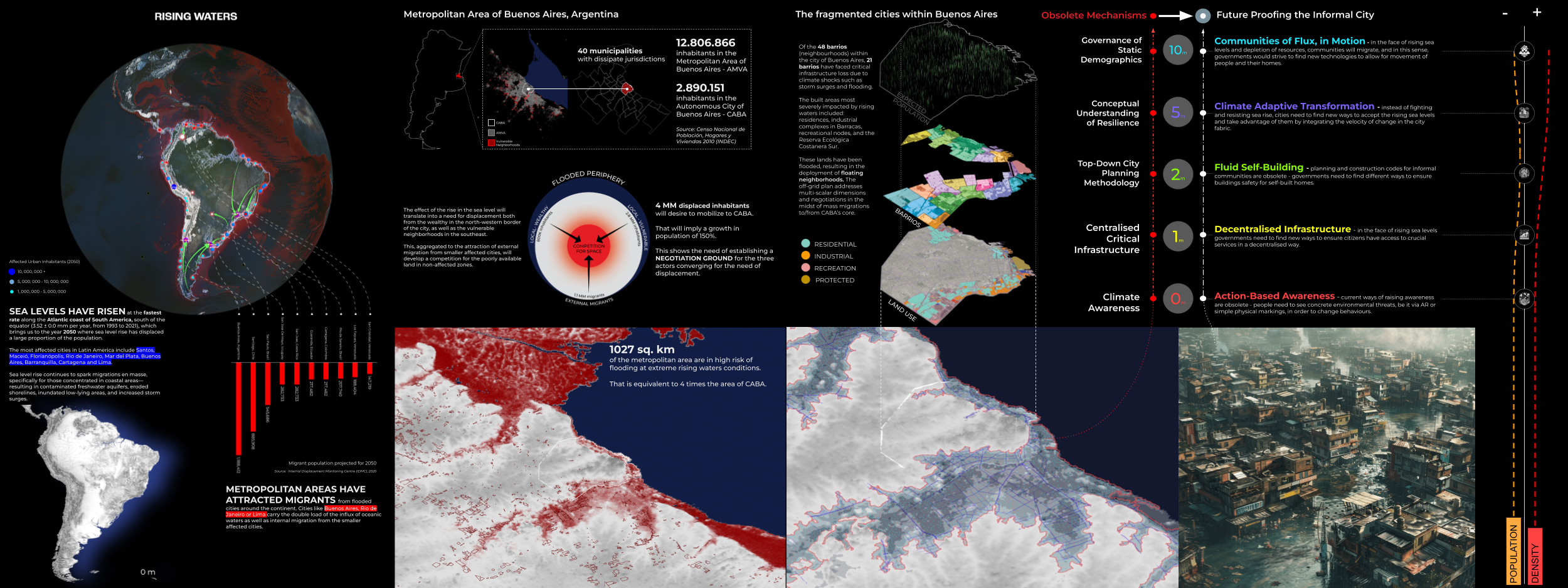
Islandisation a strategy, that seeks disengagement from interconnected networks. With contextual roots in historical urbanization, islandisation signifies a new era of Anthropocene coastal adaptation, divergent from traditional resilience strategies. It serves as a protective shield, selectively severing detrimental ties while upholding others. Resilience is a concept mobilized in urban studies,shaped by sociopolitical forces, and harnessed … Read more