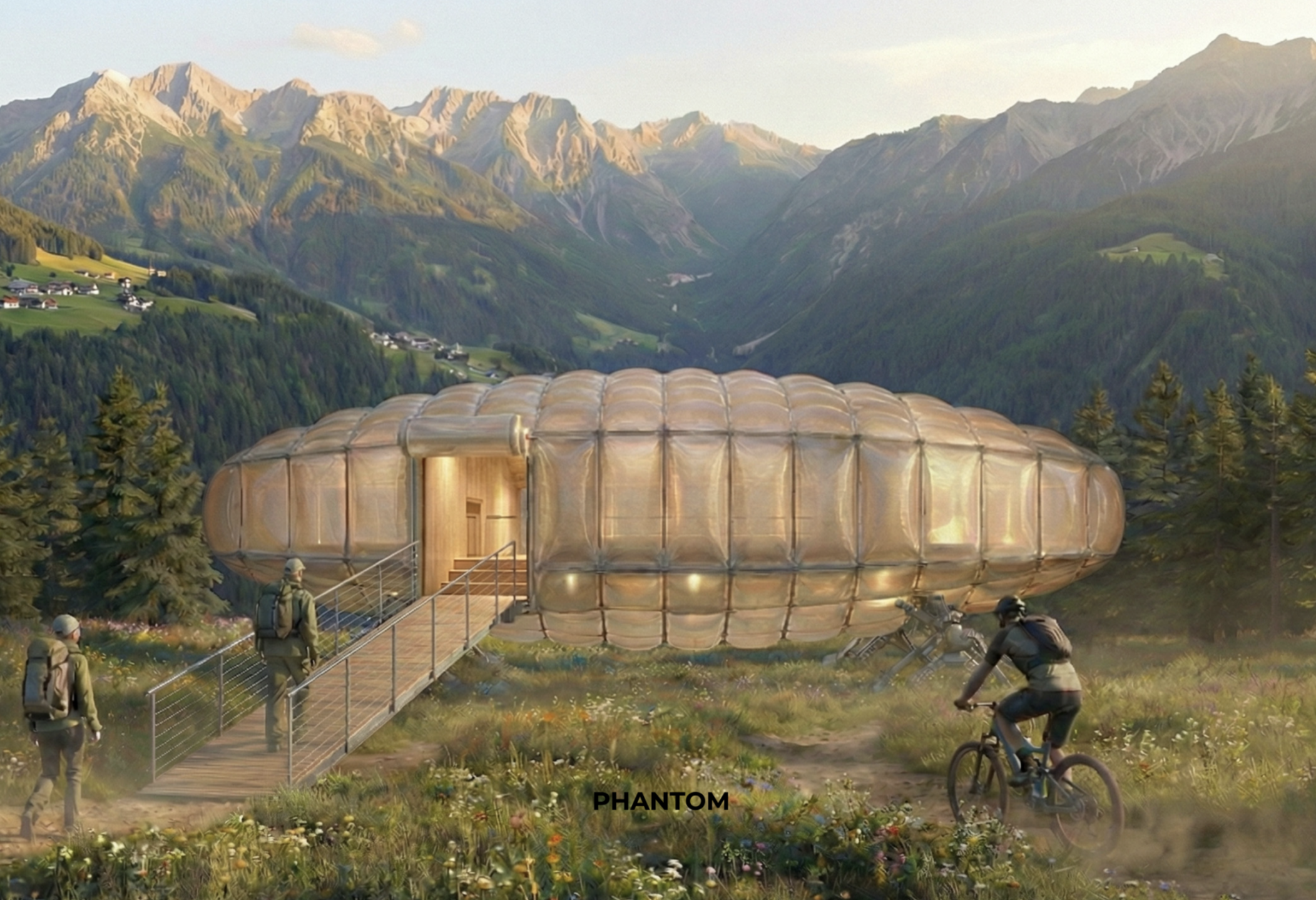
The MAA is a visionary master program with an innovative and open structure, mixing diverse disciplines, shaping professionals capable of producing theoretical & practical solutions towards responsive cities, architecture & technology.
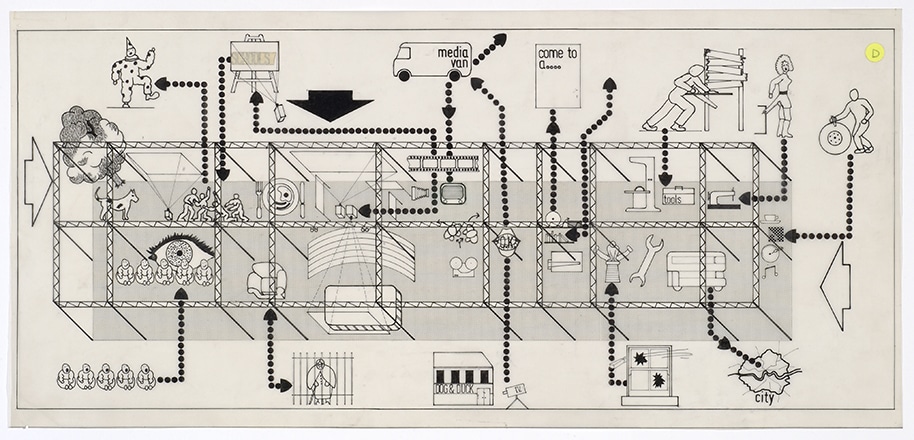

Kipnuk: The Lost Land
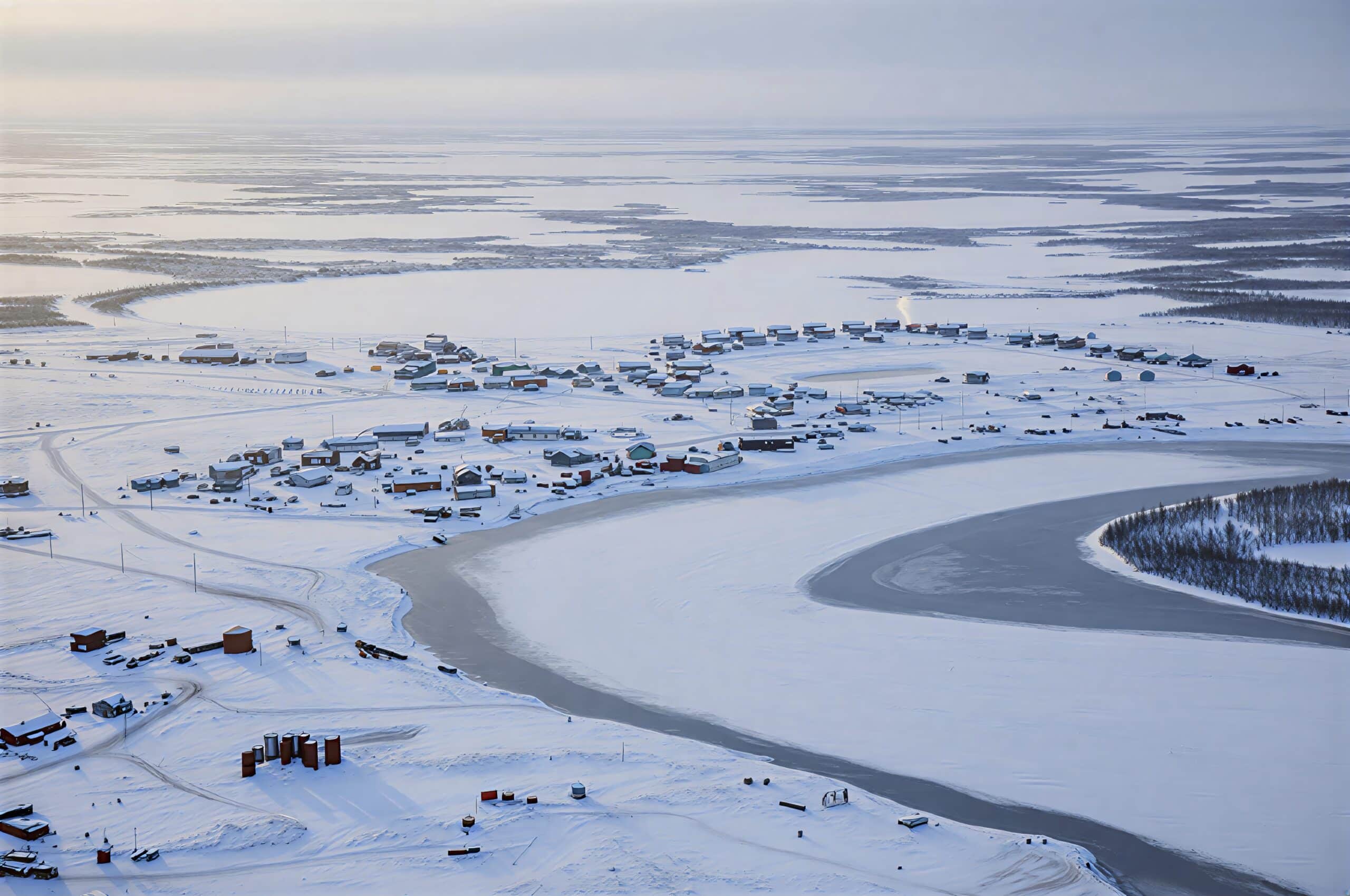
Is the concept of utopia fading as we gain more forecasting power yet face even greater uncertainty? CHARACTERS Governor Journalist Fisherman Fish Seller Governor’s P.A Media – FIRST ACT – GOVERNOR IN THE CAR (OVERLOOKING RUINS) (The Governor receives a call.) Governor: Everything is falling into place… right where we want it. We’ll move when it’s … Read more
La Model Prison
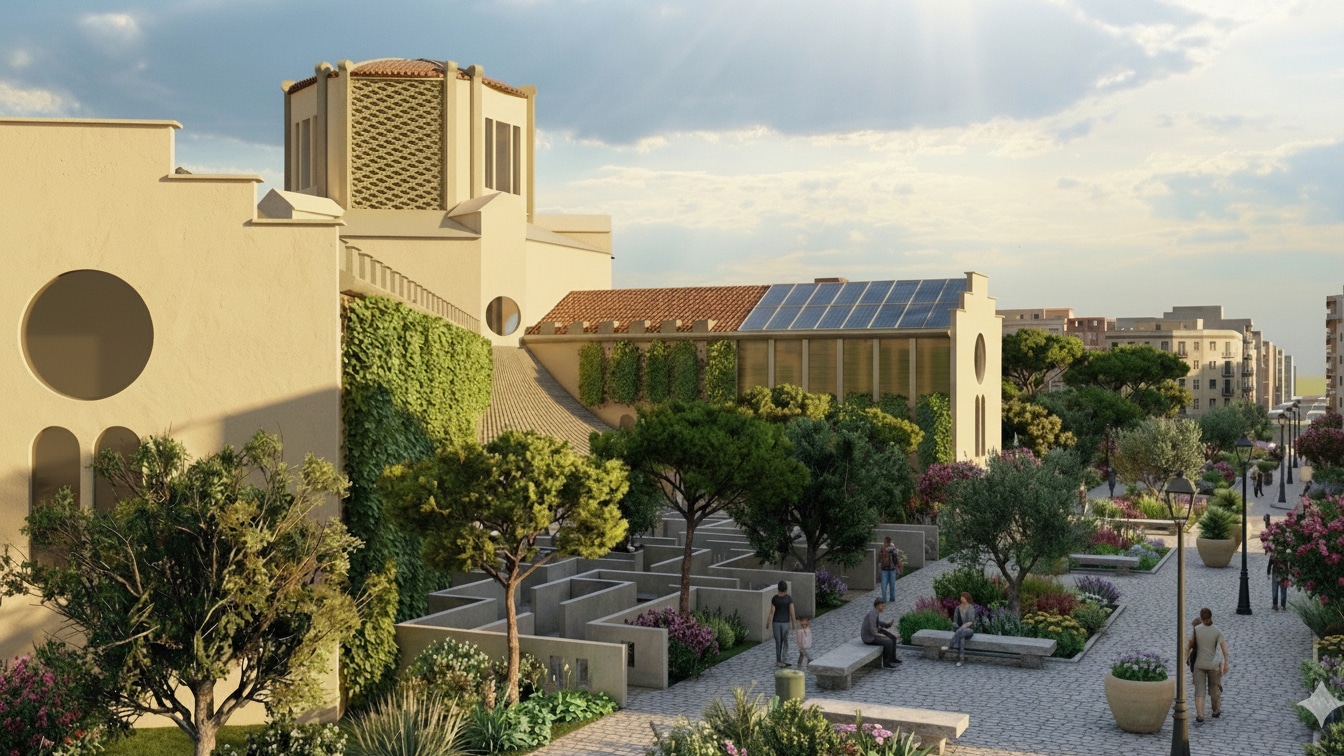
From Discipline to Rehabilitatio Project description How the adaptive use of Carceral Architecture can transform systems of confinement into systems of care? Site Analysis
Calle Donceles 47, Departamento 6A

In what ways can homeliness manifest within temporary, automated, and plural domesticities? ______________________________________________ CHARACTERS AlexaAlexaTalaEzgiLucienFranciscoBaba ______________________________________________ – FIRST ACT – ALEXA: Good morning, Ezgi. Listing work schedule. (1) At 09:00 – téléconsultation with Médecins Sans Frontières. At 11:00 – follow-up with patient Carlos in Hospital San Marcos At 19:00 – Zoom meeting with Dr. Frank. … Read more
BEYOND THE CAGE

from Exhibition to Ecosystem How can a zoo transition ethically from captive habitats to an urban ecological network? delete this later ### comments for blog – just copy paste the stuff from the presentation and support the content from the research booklet but not so much Idea of Obsolescence A zoo is a facility where … Read more
Lollapalooza: Between Tracks

In what ways do multi-intelligence design processes unravel the entanglement between authorship, authority and authenticity? CHARACTERS RK WARREN CHRIS SRB KSHITIJA AMANO – FIRST ACT – (It’s late evening, and the concert grounds of Lollapalooza are alive with sound and motion. RK and Warren step through the gates, the air buzzing with anticipation and the … Read more
Let there be Light
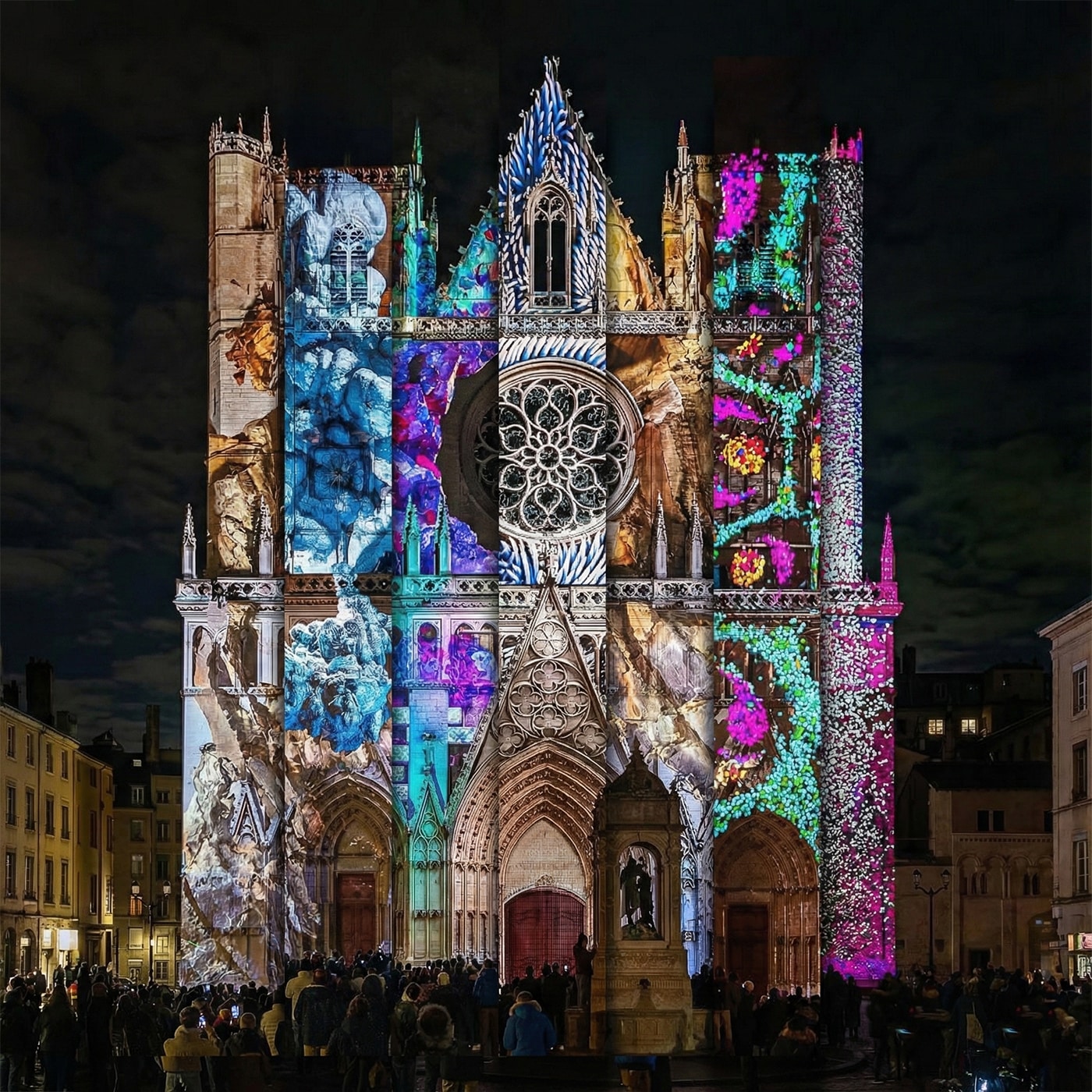
What economies of attention do augmented environments trigger? CHARACTERS ÉtienneAshleyAkshayLukasEmily Fig. 1“When the Festival Begins” (2016) – FIRST ACT – (Inside the Saint‑Jean Cathedral, Lyon. Étienne sits in quiet contemplation. Sound tests begin for the Fête des Lumières. Outside, Ashley Summers arrives, phone in hand, preparing to livestream.Darkness falls. The cathedral glows faintly. Étienne rises, … Read more
Not the Same Planet: What planet do we rebuild for?

“Planetarity” is a philosophical concept that examines how the ways we visualize the Earth shape how we interact with it. Coined by Gayatri Spivak in her 2003 book Death of a Discipline, the term challenges us to move away from viewing the Earth as a controllable resource. Instead, Spivak argues that we must think beyond … Read more
Roberto Veil
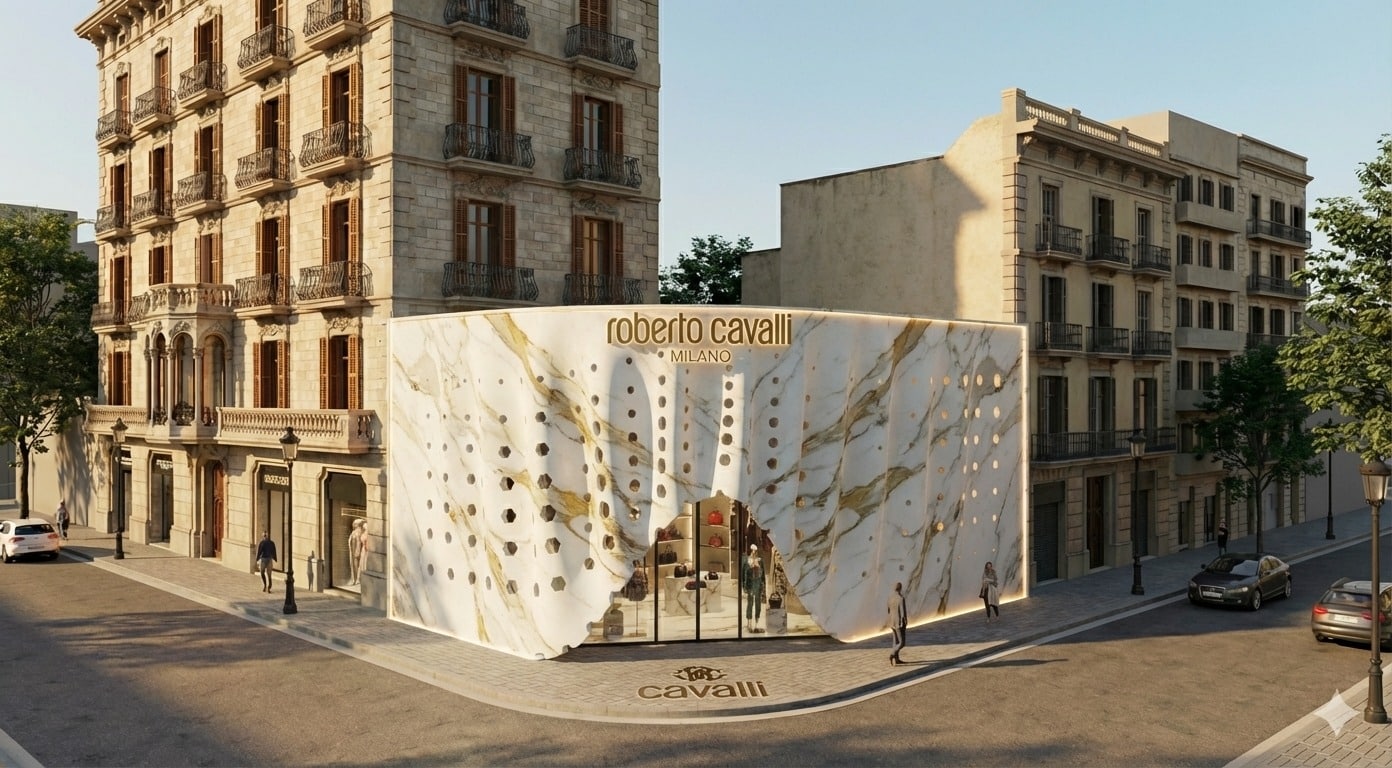
Design as fluid as time The Cavalli Wave This wavy shopfront reinterprets Roberto Cavalli’s signature fluidity and sensual glamour in architectural form. The façade flows like draped silk, echoing the movement and elegance of Cavalli’s iconic dresses. Perforated patterns across the surface reference his distinctive animal motifs, creating a dynamic interplay of light and shadow … Read more
Policy Automata
APPENDIX: BIBLIOGRAPHY Academic Papers Alnuzha, M. & Bloch, T. (2025). The Role of Machine Learning in Automated Code Checking: A Systematic Review. ITcon, Vol. 30. [Link] Peng, J. & Liu, X. (2023). Automated code compliance checking research based on BIM and knowledge graph. Scientific Reports, 13, 7065. [Link] Shi, J.W.L. et al. (2025). BuildThemis: Fine-tuning … Read more
Layered Frequencies
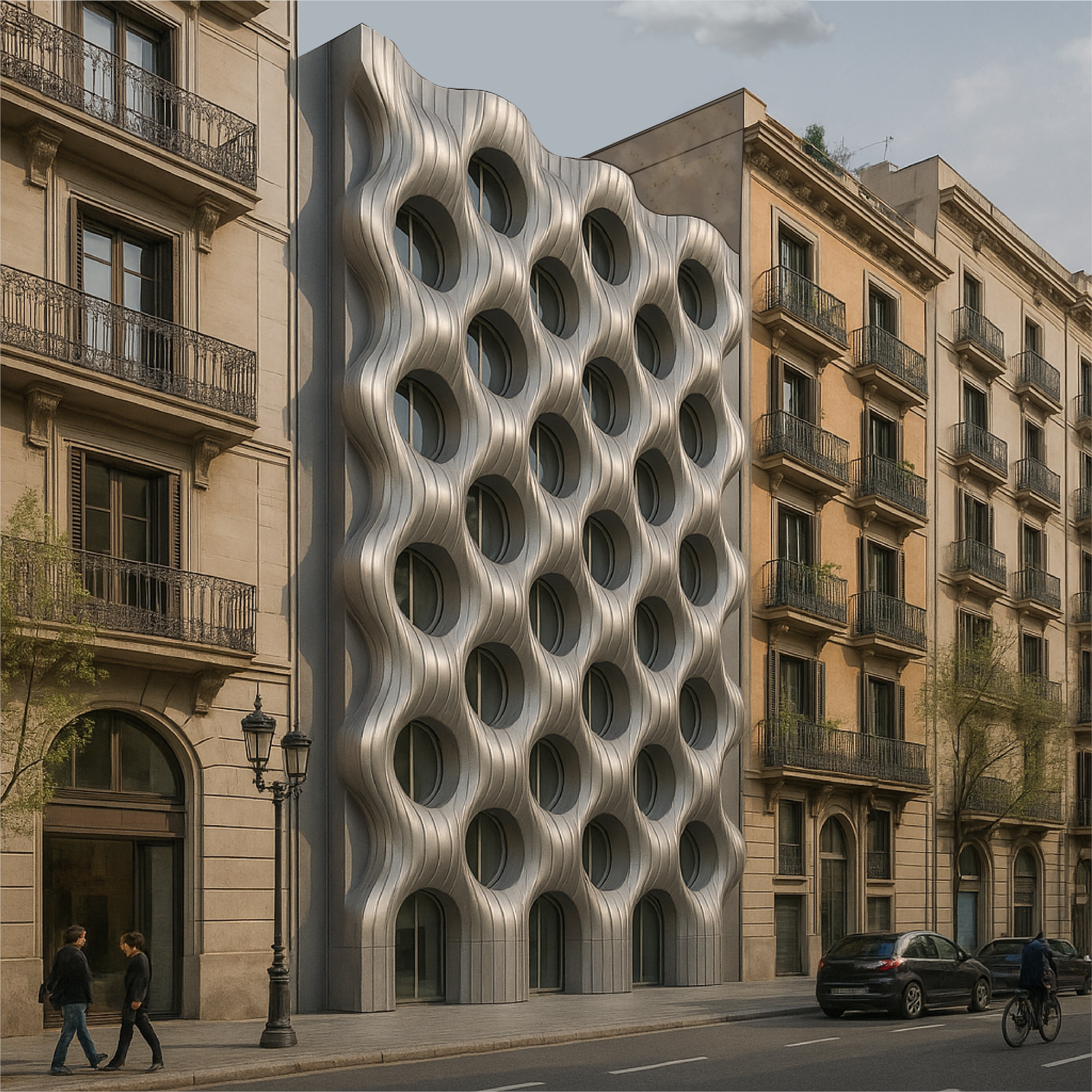
Project Overview Layered Frequencies is a computational exploration of facade design based on wave driven geometry. The project investigates how a continuous surface can be transformed through simple mathematical operations into a layered, expressive architectural system. Rather than focusing on a final object, the work centers on process: how controlled parameters, repetition, and deformation can … Read more
The Kinetic Node Pavilion

The Kinetic Node proposes a dynamic pavilion located in the central pedestrian zone of Plaça de la Universitat, Barcelona. Developed within a computational design seminar, the intervention explores the intersection of generative algorithms and active public space. The design utilizes parametric tools to generate a fluid structure where architectural form seamlessly transitions into skateable terrain, … Read more
Palmetric
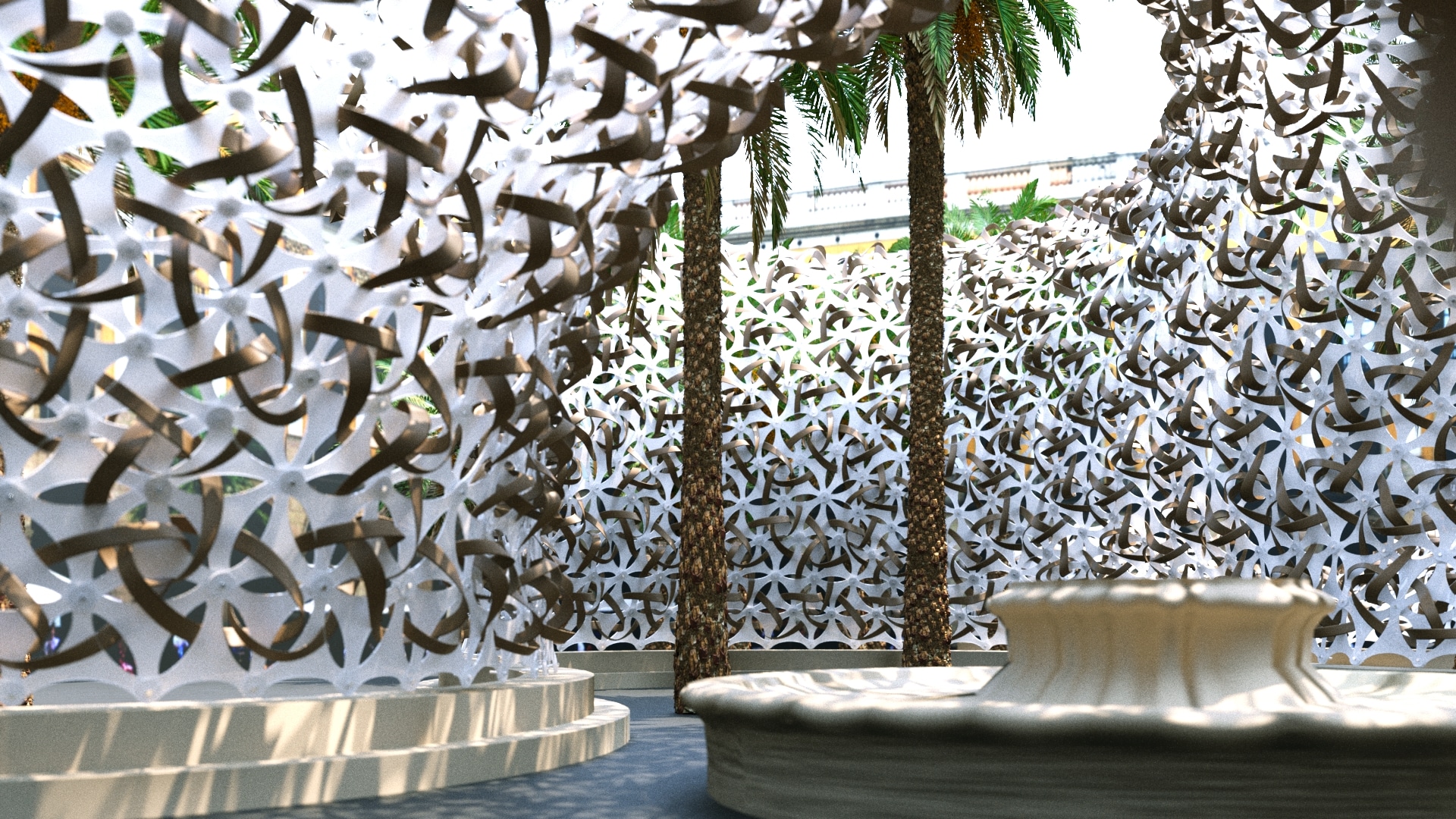
Site introduction The project is a pavilion conceived for the Plaça Reial (Royal Square) in Barcelona, Spain, which is a renowned, sophisticated square adorned with porticos, located just off Las Ramblas in the Gothic Quarter. This square is celebrated for its palm trees, fountain, lively nightlife featuring bars and restaurants, and serves as a central … Read more