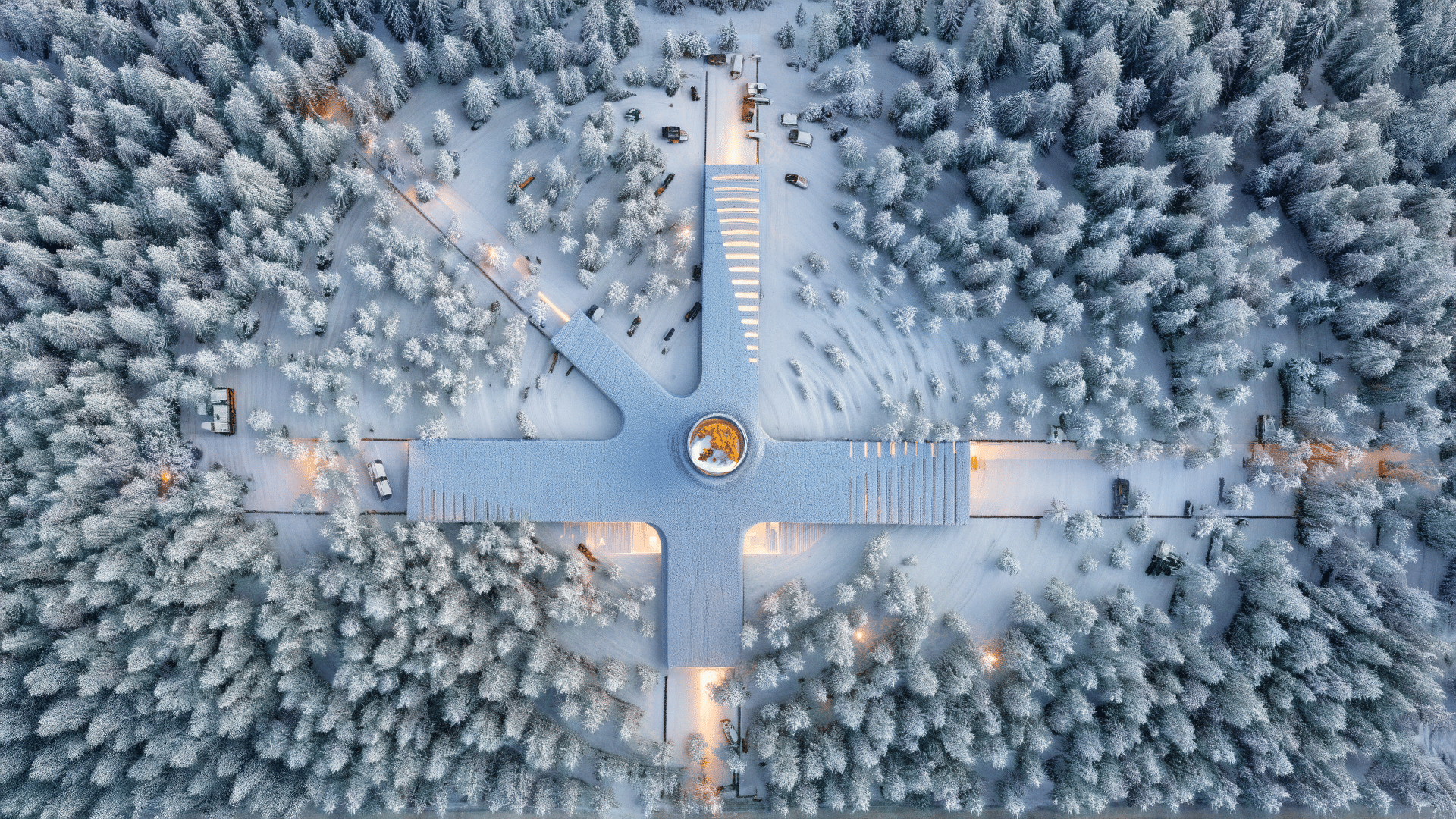
The MAA is a visionary master program with an innovative and open structure, mixing diverse disciplines, shaping professionals capable of producing theoretical & practical solutions towards responsive cities, architecture & technology.
Re Rio: Infrastructure Justice
What is Infrastructure Justice? Rio’s Context State of the Art Rio Maps Sao Goncalo Proposal Thank you!
STEAMSENSE – Innovative Humidity Control with Natural Elements
Introduction The Self sufficient building studio students were tasked to use an old yet functional electronic equipment , understand its function and then integrate it into a new prototype body, repurposing its function which could later help sustain an architectural space. I, a one man group, decided to work with water in gaseous state- steam. … Read more
Rooted Eco-Scapes
An Exploration of Root Architecture and Material Study | TERM-2 EFFECTS OF EROSION CAUSES OF EROSION CURRENT SOLUTIONS AND PROBLEMS: THESIS OBJECCTIVE (WHAT IS NEEDED) POTENTIAL SITES STATE OF THE ART 3 MAIN TYPOLOGIES BIOLOGICAL ( ROOT AND SOIL STUDY), STRUCTURAL (SOIL COMPOSITION AND PRINTABILITY), DESIGN (SITE AND SPECIE SPECIFIC DESIGN EXPLORATION) BIOLOGICAL TYPOLOTY – … Read more
mush.room
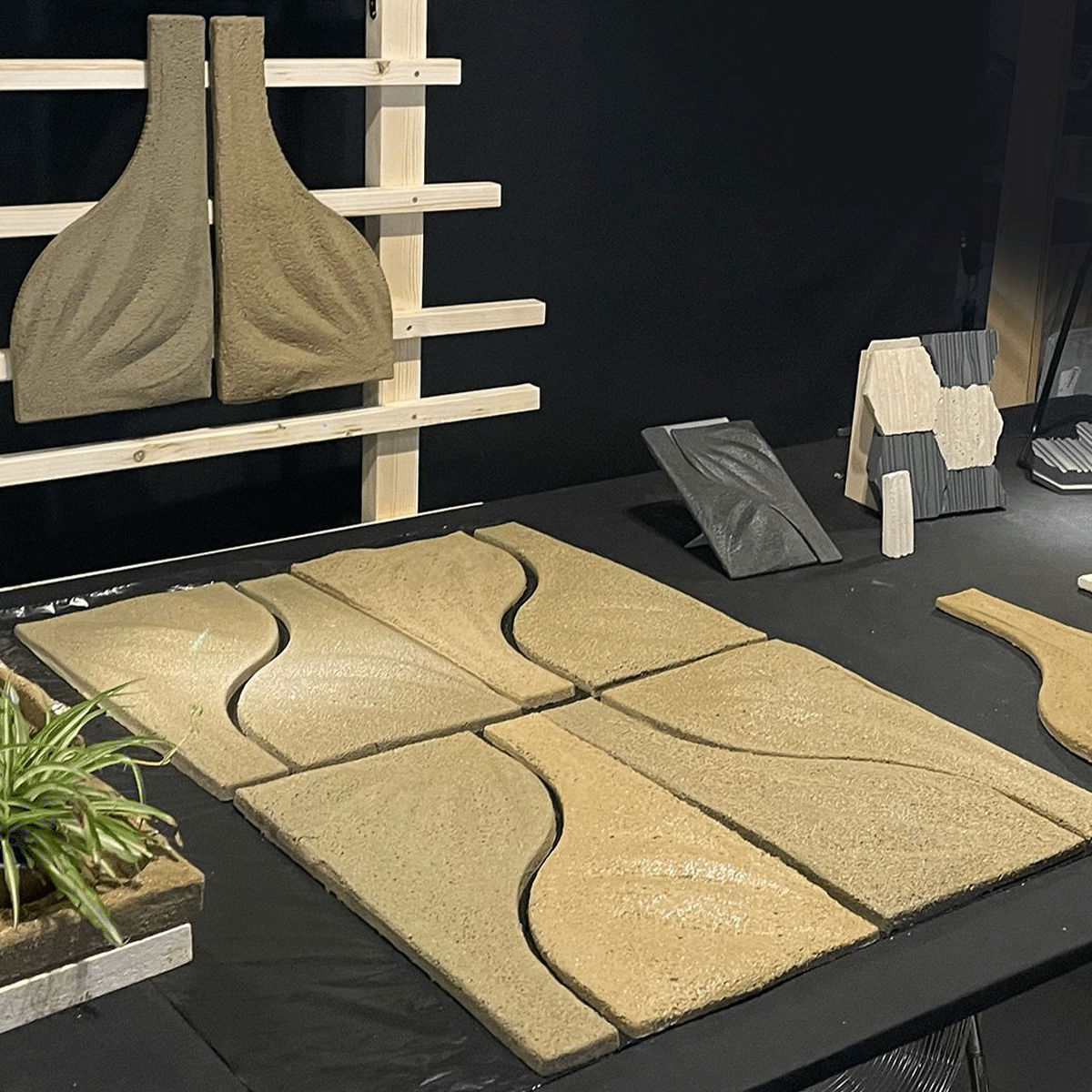
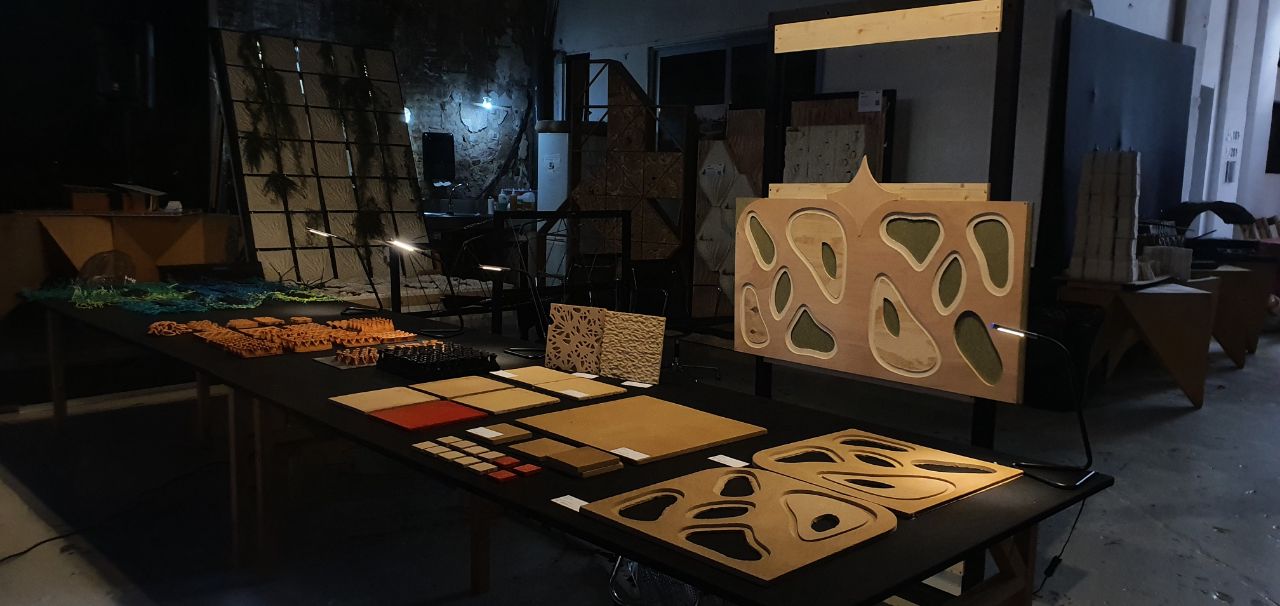
mush.room — a living panel grown from bio-waste, offering thermal and acoustic comfort. designed as a retrofit solution for the existing low-energy-performance building stock, it’s paired with a digital tool that calculates u-values and suggests ideal material mixes, bringing sustainable design to your fingertips HOW CAN WE REDUCE OPERATIONAL CARBON WHILE TRYING TO REDUCE EMBODIED … Read more
Hyperbuilding B – Industrial Layering
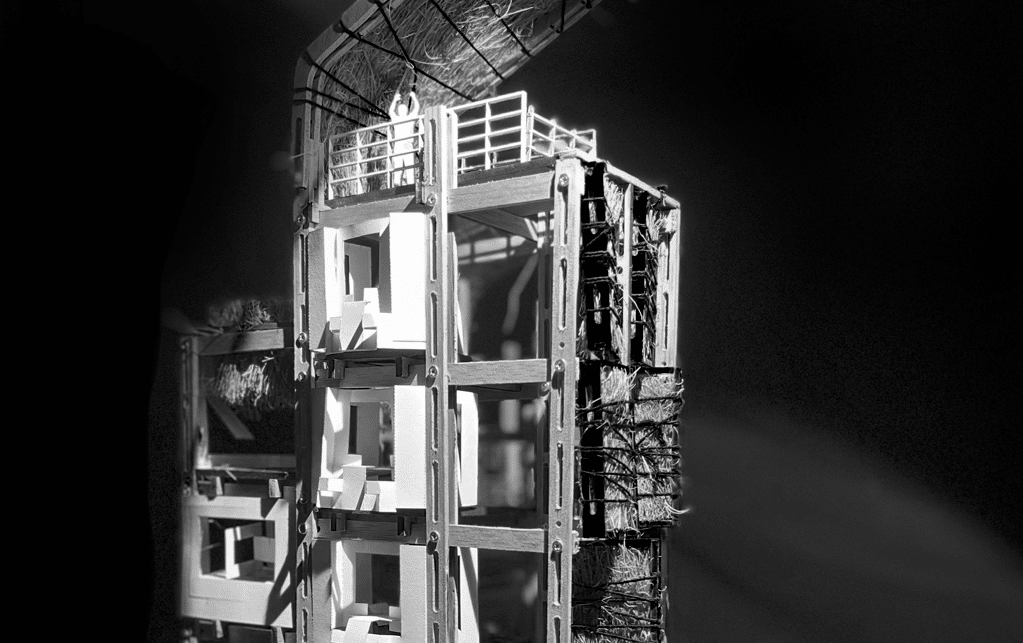
Core Concept and Architectural Language The subject of this computational design studio project is hyperbuildings on 1 million SQM GFA each in the heart of Tokyo. The brief called for focus on data driven design, with emphasis on the positive impact of each hyperbuilding on the adjacent urban realm, and this time financial drivers were … Read more
Collaborative Workflow: Hyper B – Facade Team (carbon footprint library)
ROLE FINAL INPUTS AND OUTPUTS TEAM ROLES AND COMMUNICATION STREAMS COMMUNICATION COLLABORATION REFLECTIONS CARBON FOOTPRINT OBJECTS TRACKER APP We imagined a smarter way to design façades—one that doesn’t just generate new materials but maximizes the potential of what already exists. That’s why we developed a custom parametric tool that helps architects and designers track, organize, … Read more
Tierra Potencia
A space for human driven by human On a planetary scale, these dynamics of solar heating, infrared cooling, and moisture transport create global patterns in climate. This study explores how temperature and humidity generated through human exertion at different activity levels can be passively regulated to create adaptive microclimates tailored to occupant circadian rhythms and … Read more
SecondMatter
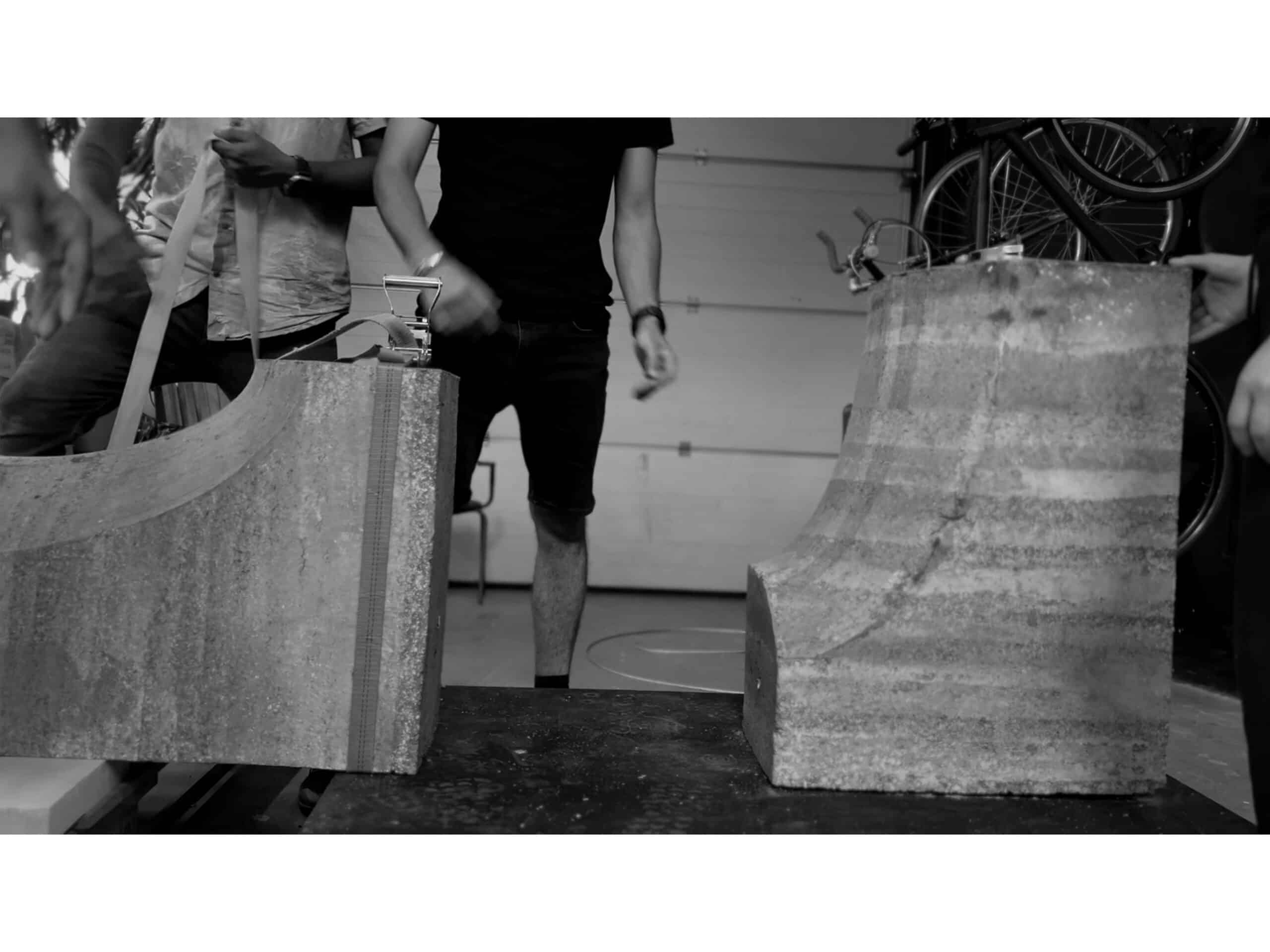
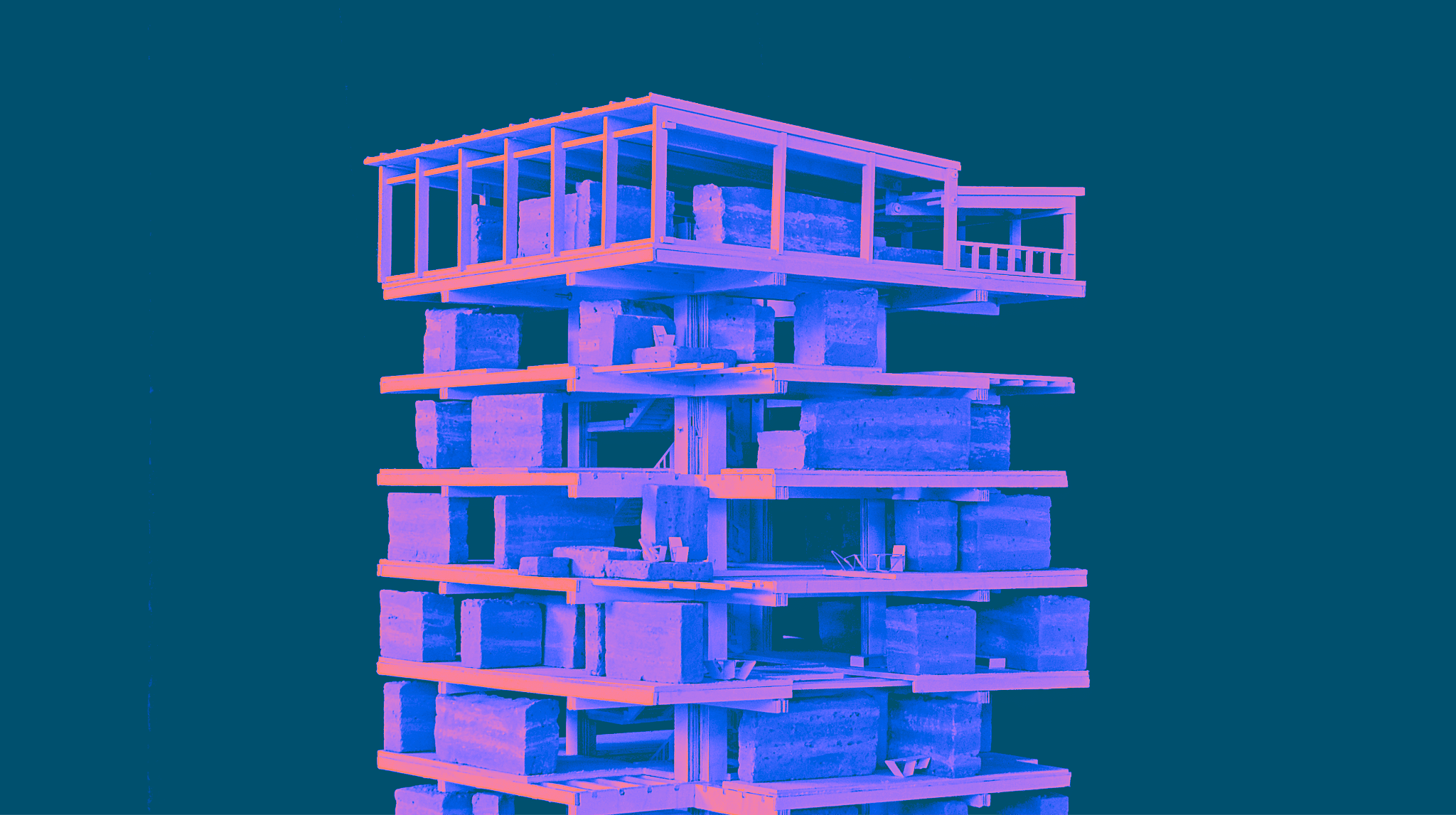
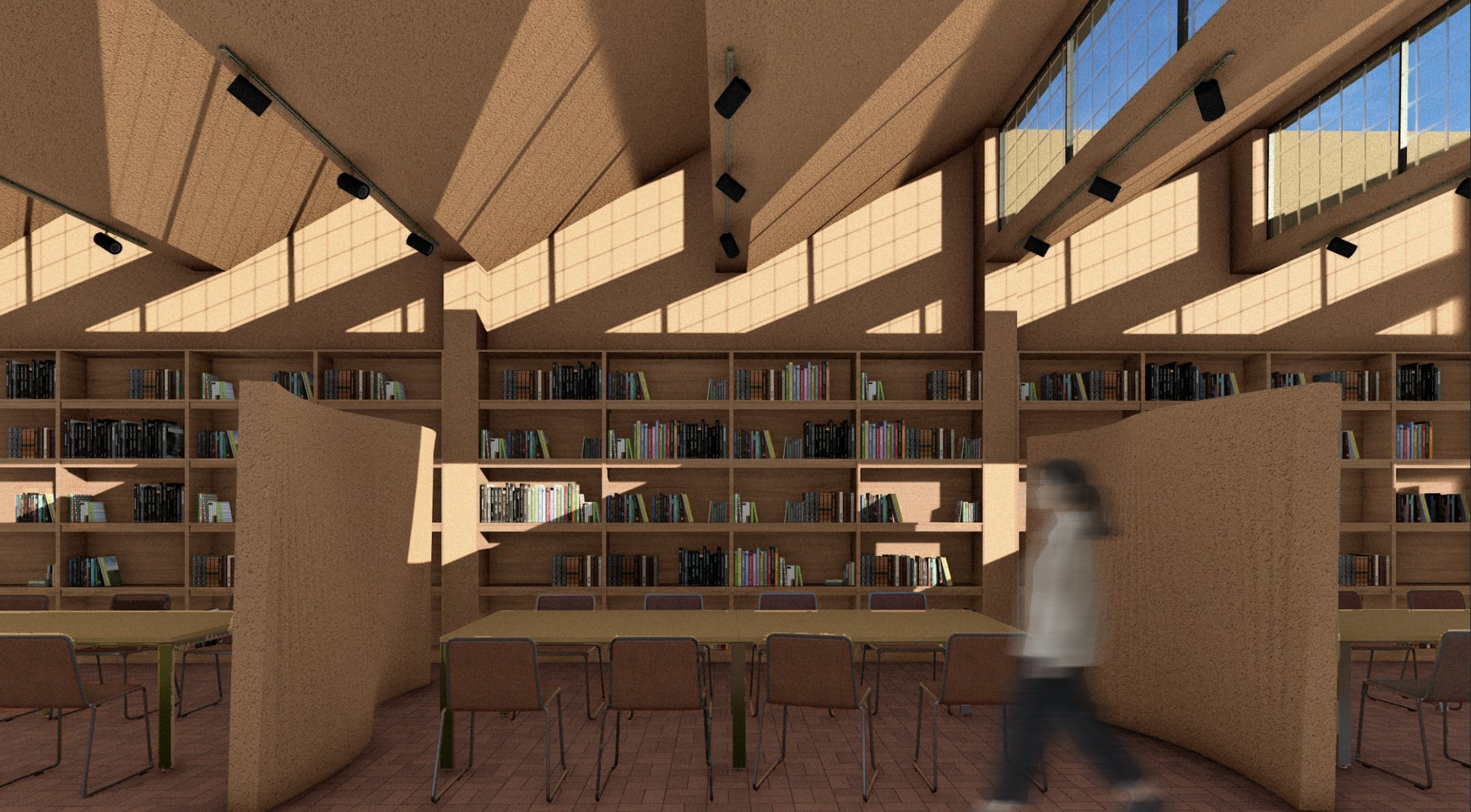
SecondMatter challenges architecture’s extractive processes and wasteful material cycles by upcycling Construction Demolition Renovation Waste (CDRW) into structural and non-structural applications. It blends ramming, which compacts granular materials into high-strength forms, with jamming-inspired interlocking of irregular aggregates. Large concrete waste pieces form a reinforced core, wrapped in a rammed mix of fine brick and concrete … Read more
Re-Rio: Ecological Justice
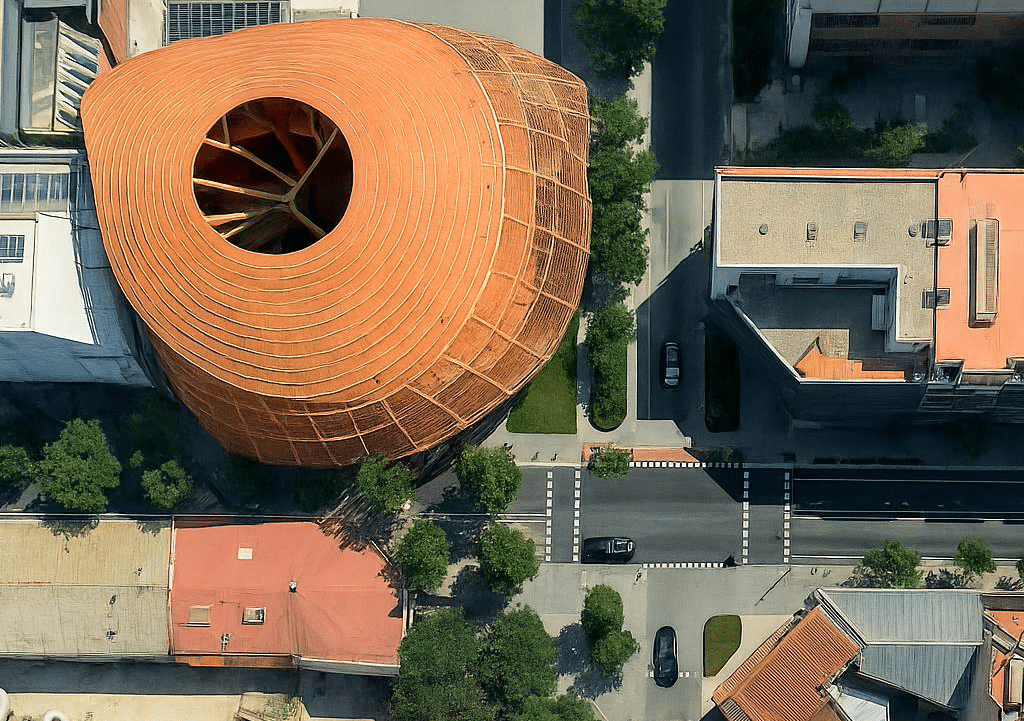
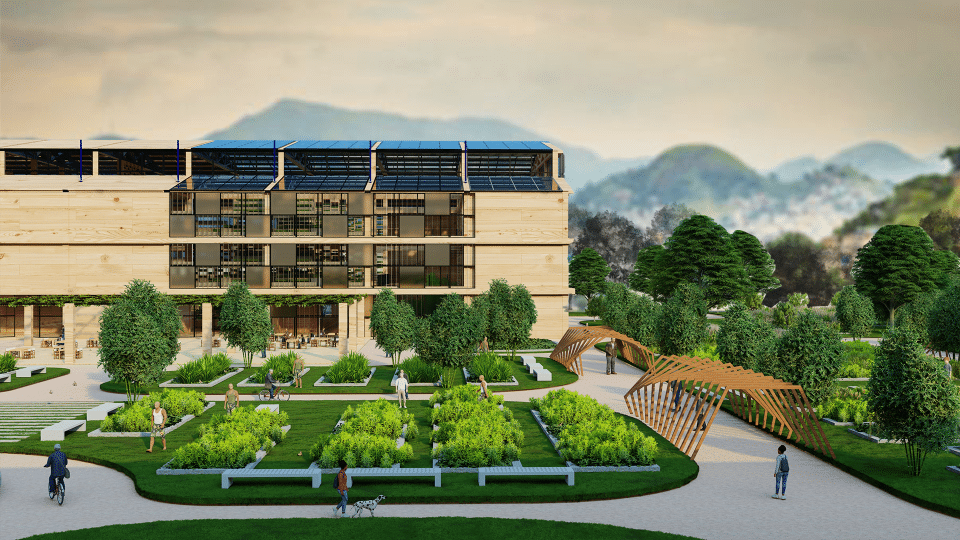
This project explores ecological justice through the lens of waste inequality in Rio de Janeiro. Focusing on the Gamboa neighborhood and the repurposing of the historic Moinho Fluminense silos, we propose a decentralized recycling system connected to local waste streams. By integrating informal and formal actors—such as catadores and recycling industries—we aim to reduce landfill … Read more
Thermocrest – Heat as a spatial design tool
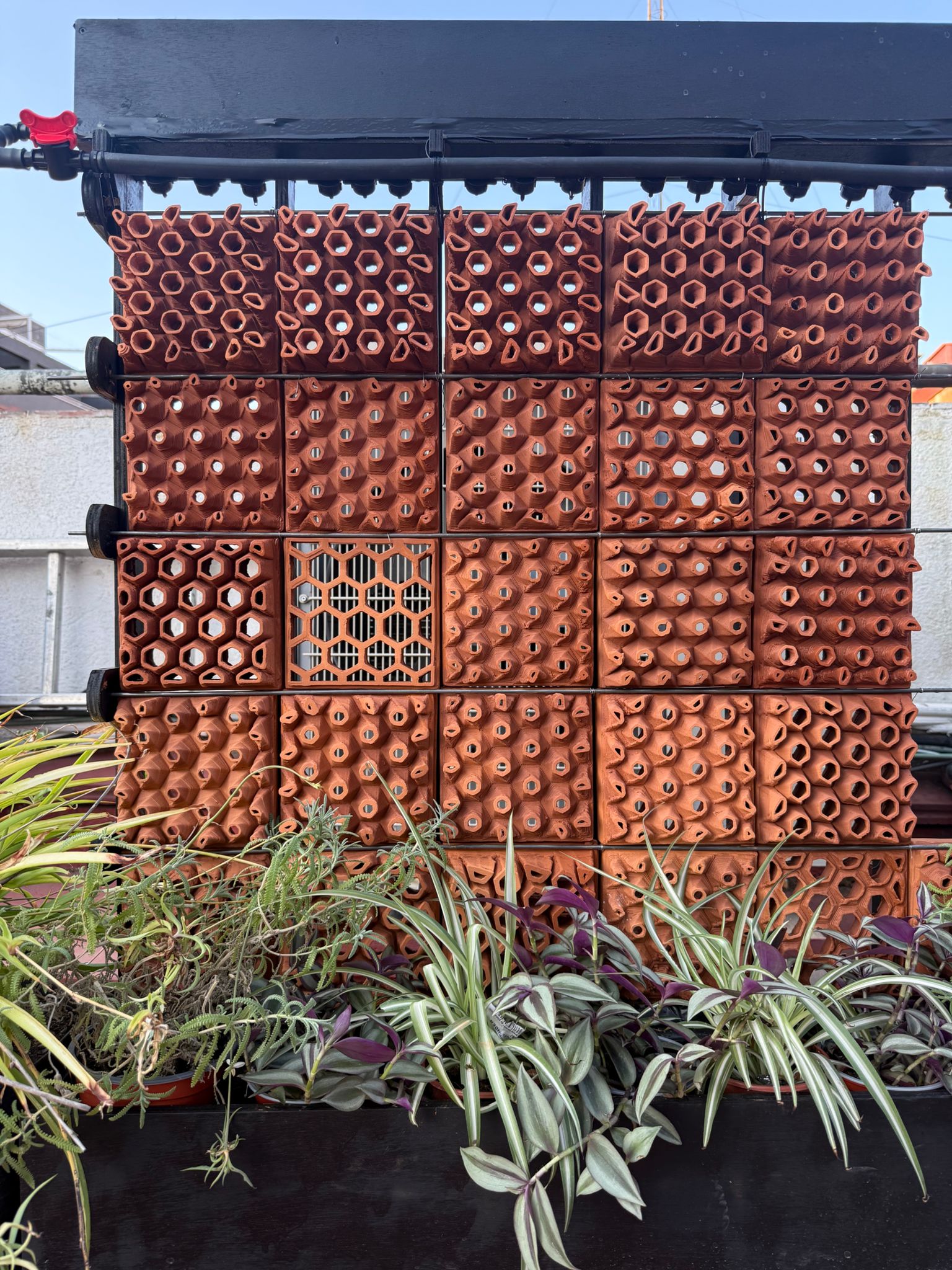
This Project explores how reflective, vernacular materials—such as ceramics—can be utilized in construction to manage infrared radiation and influence microclimates. By reflecting rather than absorbing heat, these materials contribute to passive cooling, reducing urban heat island effects and enhancing thermal comfort. We analyze the physical properties of ceramics, their historical applications in traditional architecture, and … Read more
BaRa
The objective of BARA is to connect to the current wide usage of concrete in the industry and present an alternative concrete for decarbonization, providing a catalog of structural architectural elements. By incorporating biochar and silica fume into the concrete mixture, potential typologies unfold according to the employment, structural or non structural adding acoustic, insulative … Read more